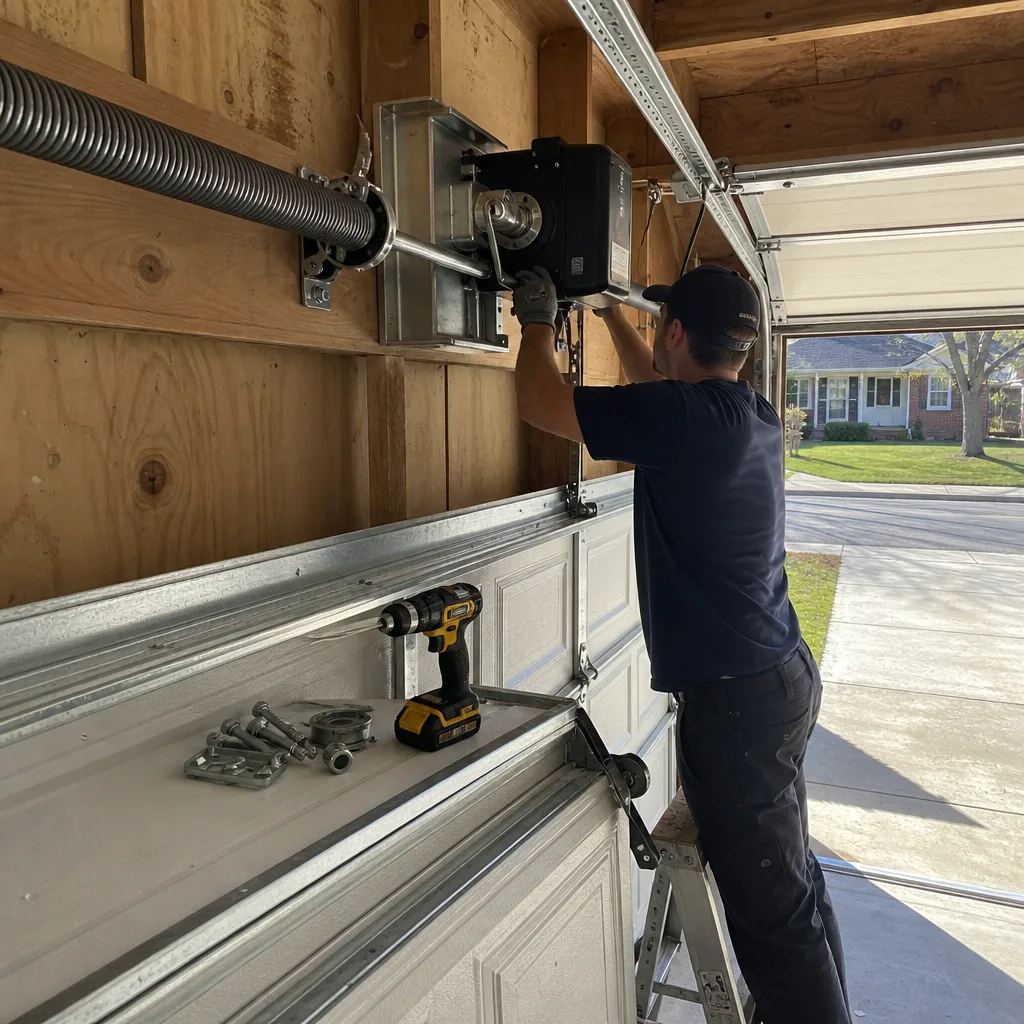
Last updated November 22, 2026
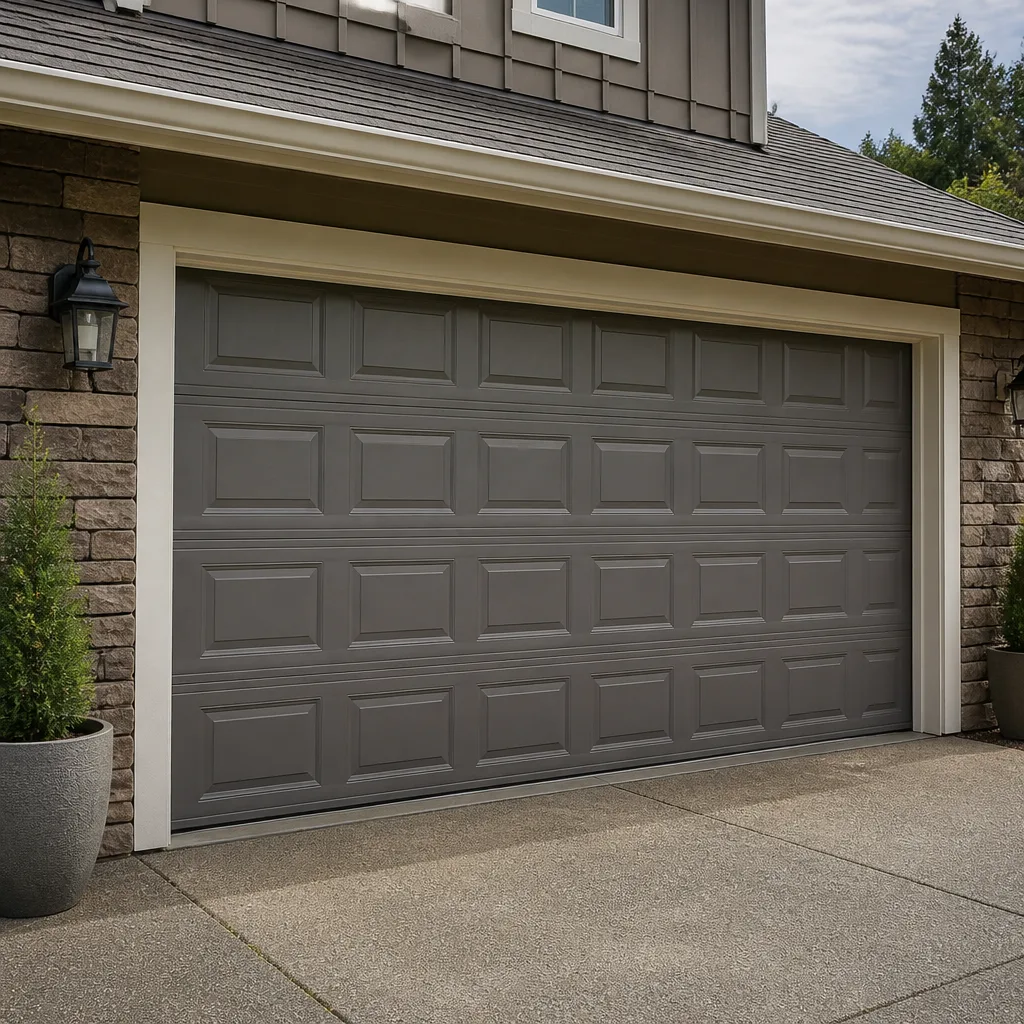 Raised-panel steel
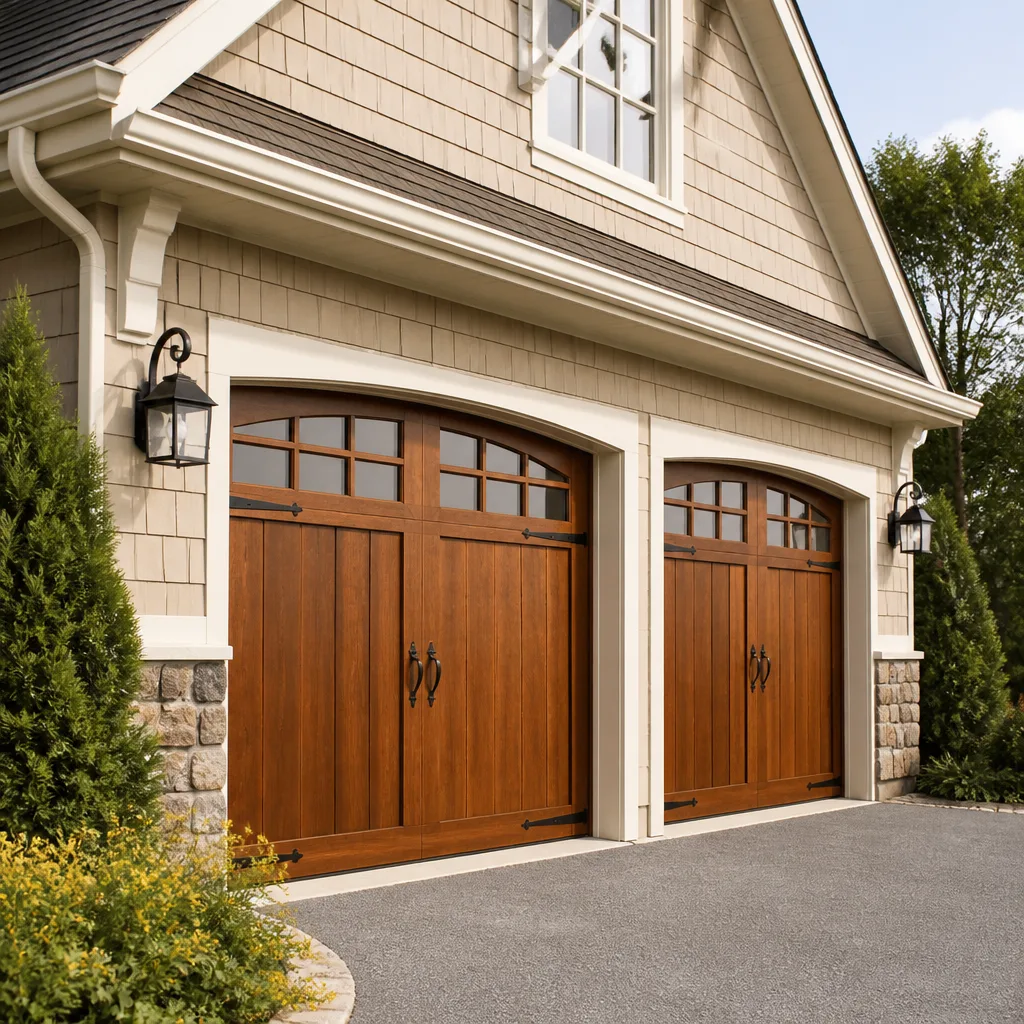 Carriage house
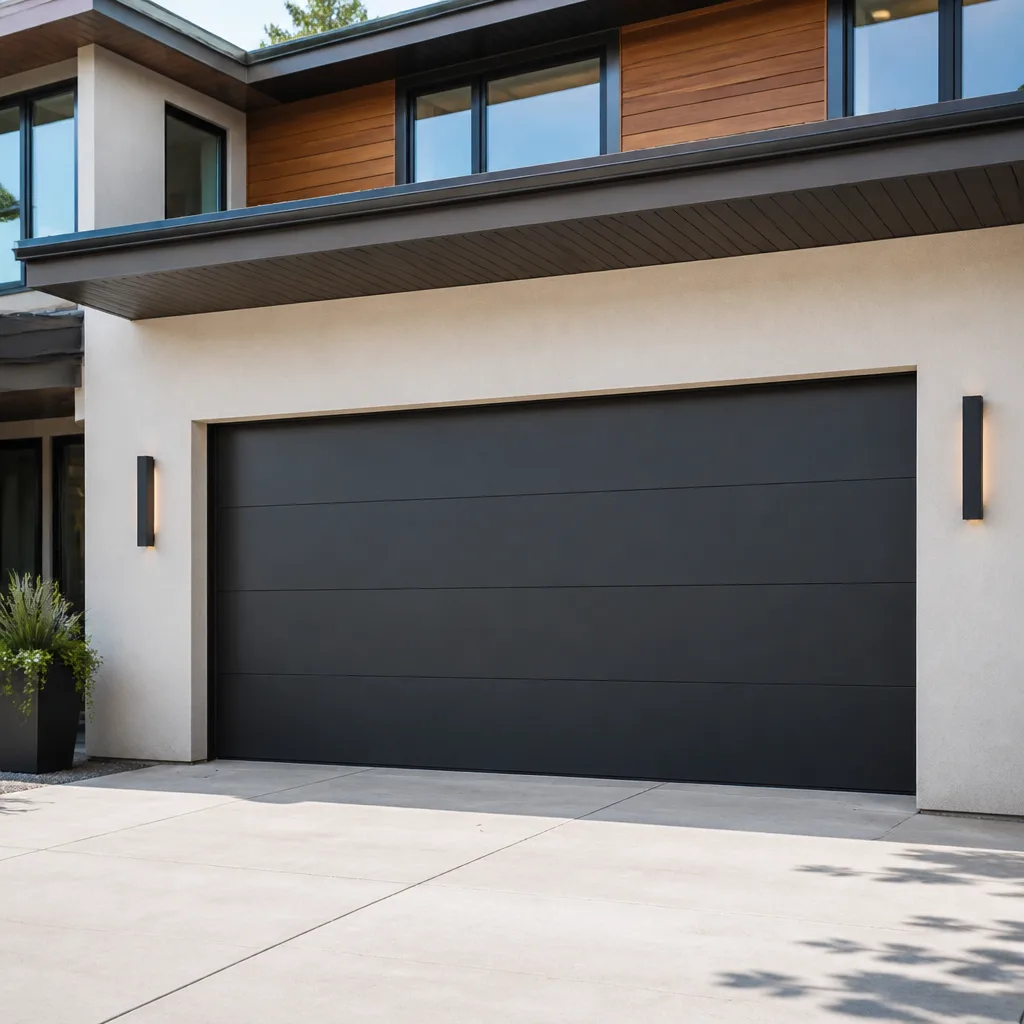 Modern flush
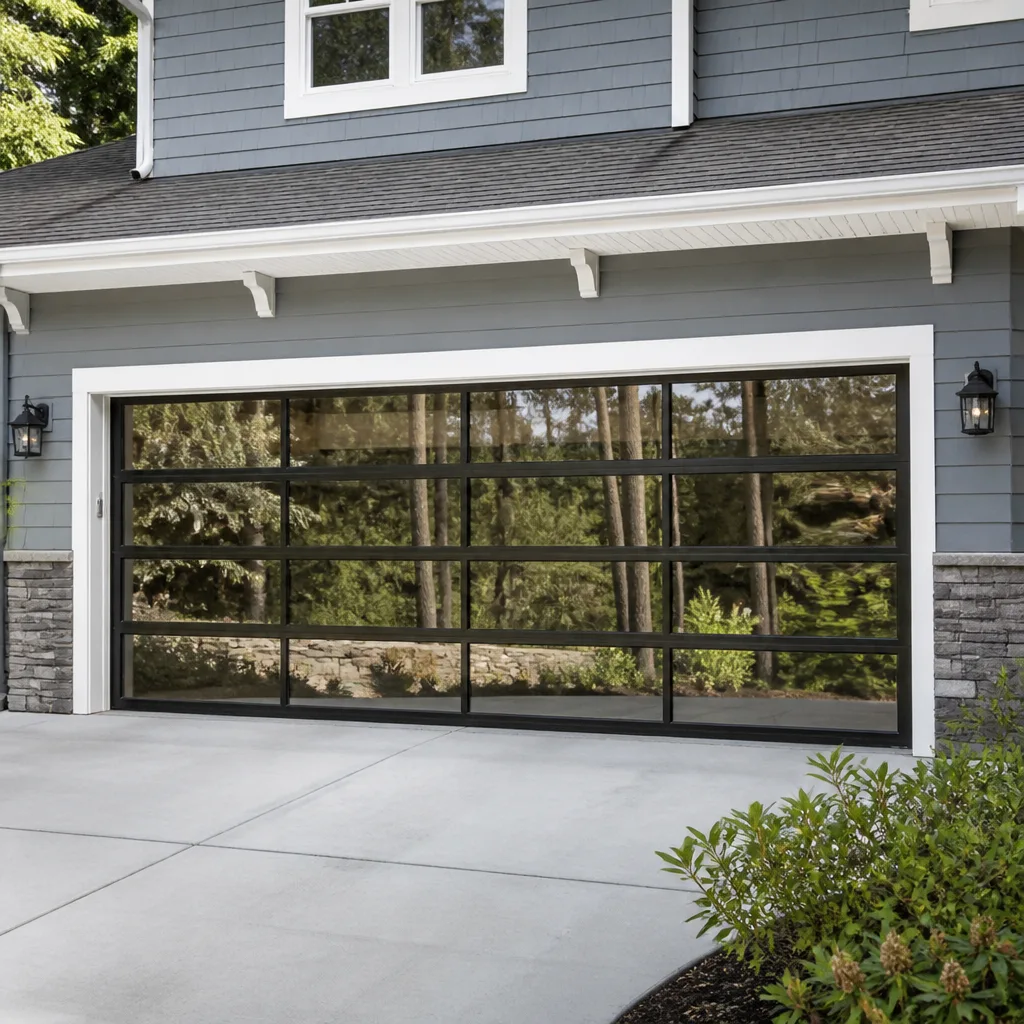 Full-view glass
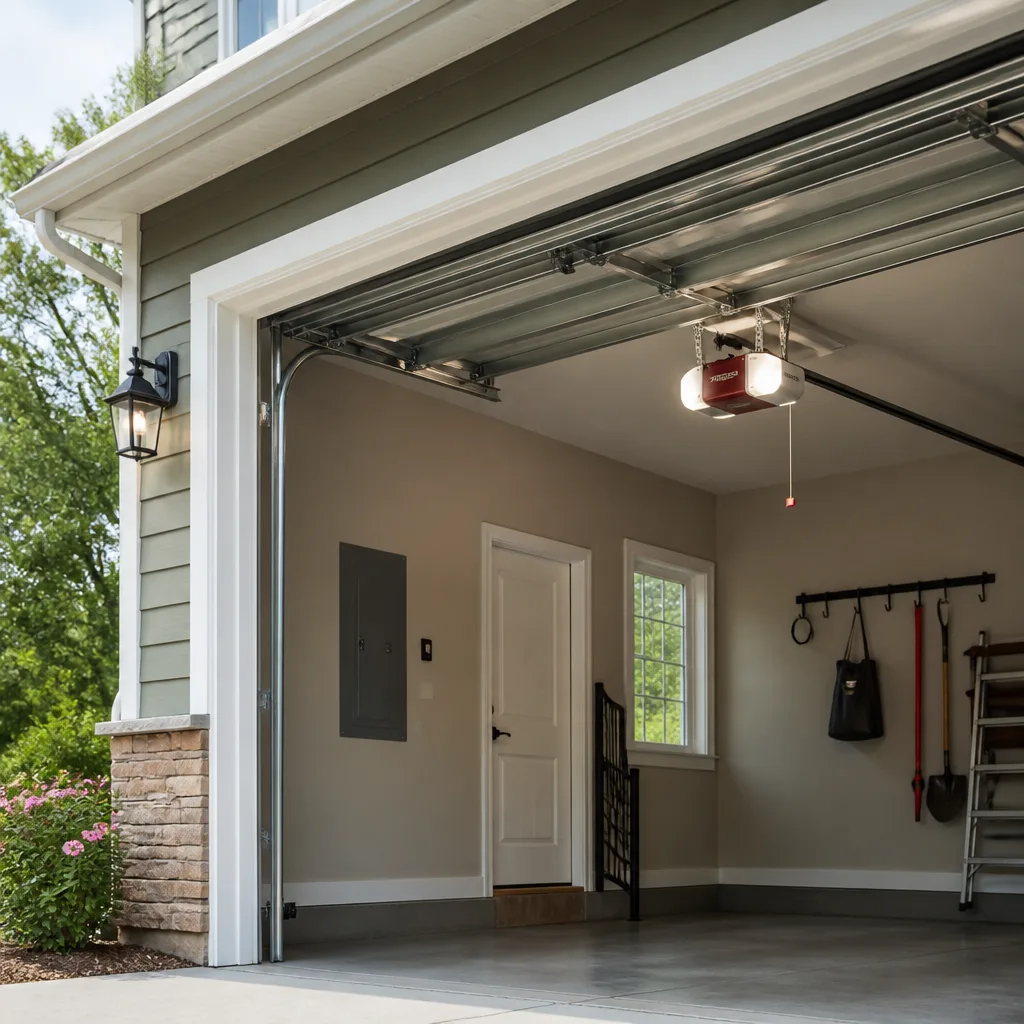 LiftMaster openers
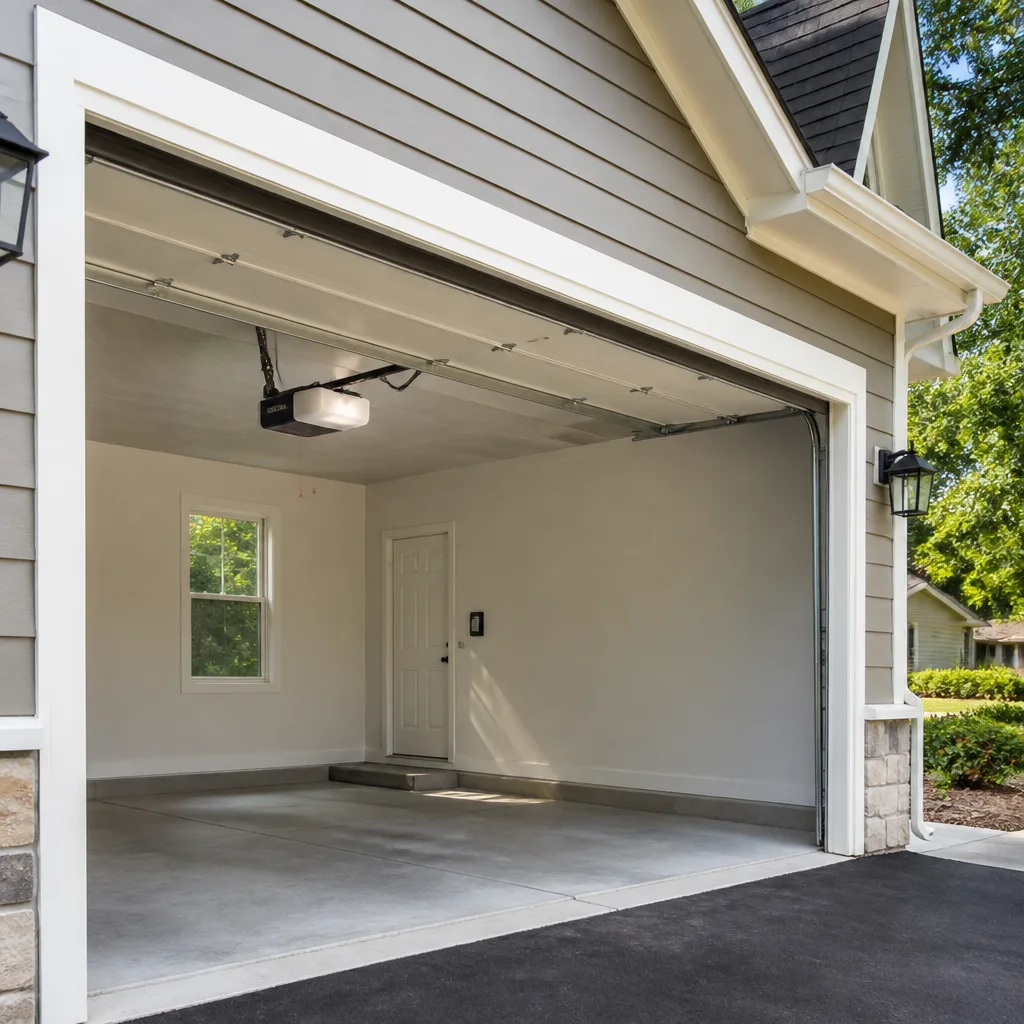 Chamberlain openers
Full 25-point door and opener safety check with every visit - springs, cables, rollers, tracks, and your LiftMaster or Chamberlain opener included
You get a price before we start. It does not change when the pro arrives.
Get your free estimateThe Complete Guide to Garage Doors in Alexandria
Here’s something most Alexandria homeowners learn too late: in this city, your HOA’s architectural guidelines can restrict your garage door more tightly than Virginia’s building code ever will. Install the wrong panel style or color in a controlled community and you may be asked to replace a door you just bought. The installer who sold it to you may not mention this, because the installer isn’t the one who has to live with the architectural review board. This guide maps the decisions that actually matter for Alexandria’s housing stock: historic rowhouses, newer subdivisions, and everything between. We’ll cover materials, openers, insulation, and how to check your zoning before you buy.
Quick Answer
The right garage door for an Alexandria home depends less on style preference than on three local constraints: your HOA’s architectural guidelines, the age and construction of your house, and how the DC-area humidity swing affects your chosen material. Steel is the most practical choice for most Alexandria homes, insulated doors matter more for attached garages than detached ones, and belt-drive openers suit the attached garages common in the city’s older neighborhoods. Check your zoning overlay and HOA rules before ordering anything.
Styles & brands we work with
- Raised-panel steel
- Carriage house
- Modern flush
- Full-view glass
- LiftMaster openers
- Chamberlain openers
Table of Contents
- How Alexandria HOA Rules Shape Your Door Choice
- Why Humidity, Not Cold, Drives Material Wear in Alexandria
- Steel vs. Wood vs. Composite for Alexandria Homes
- Choosing an Opener for Attached vs. Detached Garages
- Insulation: When It Matters in Alexandria
- Checking City of Alexandria Zoning Before You Buy
- How a Replacement Project Actually Unfolds
- Common Mistakes to Avoid
How Alexandria HOA Rules Shape Your Door Choice
In much of Alexandria, the most restrictive document governing your garage door isn’t the building code. It’s the architectural covenant attached to your deed. Communities like Cameron Station and large sections of Kingstowne operate under architectural review processes that approve or reject exterior changes, and a garage door counts as an exterior change. Del Ray is more mixed: some blocks have active civic associations with design expectations, others have none, and a handful of properties sit in historic districts with their own overlay rules.
The practical problem is sequencing. Homeowners typically choose a door, sign a contract, and then discover the approval requirement. Reversing course at that point costs money and time. The order should be:
- Pull your HOA’s architectural guidelines and find the garage door section. Look specifically for approved panel styles, color palettes, and window options.
- Submit the architectural request with the manufacturer’s spec sheet and a color sample before signing anything with an installer.
- Confirm whether your property sits in a historic district or design overlay by checking the City of Alexandria’s planning maps.
- Only then order the door.
One detail worth knowing: many manufacturer warranties cover defects in materials and workmanship, and some HOA-required modifications, like painting a factory-finished door or adding aftermarket hardware, can affect what a warranty covers. Read the warranty terms before the board asks you to change anything. A door that satisfies the board but voids the finish warranty is a bad trade.
Why Humidity, Not Cold, Drives Material Wear in Alexandria
Alexandria’s winters get cold enough to matter, but the bigger long-term stress on a garage door here is the seasonal humidity swing. Summers run humid. Winters dry out with heated indoor air. That cycle repeats every year, and it works on materials in ways cold alone doesn’t.
Wood is the most vulnerable. It absorbs moisture in summer, swells slightly, and dries and shrinks in winter. Over enough cycles, paint films crack, joints open, and the bottom section – the one closest to the concrete slab and the most exposed to ground moisture – takes the worst of it. Steel handles the swing better, but an improperly finished or scratched steel door will rust at the edges and along the bottom where water sits. Composite and fiberglass products sit in between: dimensionally stable, but some formulations fade or chalk under sustained sun and humidity.
What this means in practice for an Alexandria door:
- Keep the bottom section painted or sealed, and inspect it every fall before the wet season.
- Touch up scratches on steel doors promptly; bare metal plus humidity equals rust.
- Check that the door’s weather seal at the floor makes contact along its full width. A gap lets in both water and pests.
- Ventilation matters in detached garages; trapped moisture accelerates wear on every material.
This isn’t a reason to avoid any particular material. It’s a reason to match the material to how much maintenance you’re willing to do.
Steel vs. Wood vs. Composite for Alexandria Homes
Alexandria’s housing stock spans more than two centuries, and the right material usually follows the house. A Colonial-era rowhouse near Old Town and a 1990s build in Kingstowne have different expectations placed on them, both architecturally and by their associations.
Steel
The default for most Alexandria homes, and for good reason. Steel doors are strong for their weight, hold paint well, come in a wide range of panel profiles, and cost less than wood. They suit the newer subdivisions and most mid-century and late-century construction. The tradeoff is that dents don’t come out, and rust is a real risk if the finish is compromised. Insulated steel doors are widely available and are what we’d point most homeowners toward.
Wood
Wood is often the only material that satisfies historic-district aesthetic requirements, and it’s what many Old Town and Del Ray homeowners want for period-appropriate character. It’s also the highest-maintenance option in this climate. Expect to refinish periodically, watch the bottom section closely, and budget for more upkeep than steel. Carriage-house styles in wood or wood-look products are common where the architecture calls for them.
Composite and Wood-Look Products
Composite and steel-backed wood-look doors give you the carriage-house appearance without the refinishing cycle. For homeowners in HOA communities who want the historic look but not the maintenance, this is usually the sweet spot. Check that the specific product is on your association’s approved list, since some boards approve by manufacturer and model rather than by appearance.
Whichever material you choose, the brand matters for parts availability down the road. We work with Clopay, Amarr, and Wayne Dalton doors regularly, among others, and knowing the specific system means diagnosis and parts sourcing don’t start from scratch. If you’re weighing a replacement against fixing what you have, our guide to garage door installation walks through when replacement makes more sense than repair.
Choosing an Opener for Attached vs. Detached Garages
Opener choice gets less attention than door choice, but in Alexandria the configuration of your garage should drive it. The city has a real mix: attached garages under or beside the house in newer construction, detached garages behind older rowhouses and in alley-served blocks, and converted carriage houses.
Attached garages
Noise travels directly into living space, so belt-drive openers are usually the better fit. A belt drive runs quietly and smoothly, which matters when there’s a bedroom or living room on the other side of the wall. Chain drives cost less but transmit more vibration and noise through the structure. If your attached garage sits under a bedroom, belt drive is worth the difference.
Detached garages
Noise is a non-issue, so chain drive is a reasonable, durable choice. Direct-drive openers, which use a rotating shaft rather than a chain or belt, are another option and are generally quiet and low-maintenance. For detached garages, prioritize reliability and a solid safety-reverse system over sound.
Two more considerations for Alexandria:
- Safety sensors are required on any opener installed today. They’re not optional and they should be tested monthly.
- Smart connectivity is worth having if your garage is detached or you travel. LiftMaster and Chamberlain both offer app-connected units, and Genie covers the budget end of the same feature set.
If your existing opener is failing rather than being replaced, our garage door opener repair page covers the common failure points. A motor that’s fine but noisy, a remote that’s stopped working, or a door that reverses for no clear reason are all usually fixable without a full replacement.
Insulation: When It Matters in Alexandria
Insulation is oversold in general and underspecified in practice. Whether it matters for your Alexandria home depends almost entirely on whether the garage shares a wall or floor with conditioned living space.
For attached garages, especially those under a bedroom or beside a kitchen, an insulated door makes a measurable difference. It reduces heat transfer through the door, cuts noise, and makes the garage itself more usable in summer and winter. For detached garages, insulation mostly affects comfort if you actually work in the space; it won’t change your energy bills much.
Two points worth knowing:
- Insulated doors are heavier, which means your opener needs to be rated for the added weight. Don’t pair a heavy insulated door with an undersized opener.
- Insulation value is stated by the manufacturer. We won’t quote a number here because it varies by product, so check the spec sheet for the specific door you’re considering.
If your garage is attached and uninsulated, and you’ve noticed the room above it runs hot in summer, an insulated door is one of the more straightforward improvements available.
Checking City of Alexandria Zoning Before You Buy
Before you order a replacement door, confirm what the City of Alexandria actually requires for your property. The city’s zoning ordinance governs setbacks, height, and in some cases exterior appearance, and historic districts add another layer. This isn’t paperwork for its own sake: buying a door that violates an overlay means replacing it again.
A practical sequence:
- Look up your property on the city’s zoning map and note the zoning designation and any overlay districts.
- Check whether your property is in a historic district. If it is, exterior changes typically require review before work begins.
- Cross-reference your HOA’s architectural guidelines, which may be stricter than the city’s rules.
- Call the city’s planning department with your address and ask directly whether a garage door replacement requires any approval. It’s a short call and it settles the question.
- Keep documentation of any approvals with your project file.
Most straightforward replacements in non-historic, non-HOA areas don’t require a city permit beyond any HOA process. But “most” isn’t “all,” and the cost of checking is a phone call.
How a Replacement Project Actually Unfolds
Replacing a garage door is a measured, ordered, scheduled project – not a same-day repair. Understanding the timeline prevents surprises.
- Measure and specify. The opening is measured precisely, and the door is specified by size, material, panel style, window options, and insulation. This is where HOA and zoning approvals get confirmed.
- Order. Lead times vary by manufacturer and product line. Standard sizes and common styles move faster than custom or special-order finishes.
- Prepare the opening. The old door and hardware are removed, and the opening, tracks, and framing are checked for condition. Rot or damage discovered here gets addressed before the new door goes up.
- Install. The new door goes in with new tracks, springs, and hardware matched to the door’s weight.
- Balance and test. The door is balanced, the springs are set, and the opener is programmed and tested, including the safety reverse and sensors.
One thing to understand going in: springs are matched to the door’s weight and are replaced as part of a new installation. On an existing door, spring work is a different matter, and it’s genuinely dangerous – more on that below.
Common Mistakes to Avoid
- Ordering before checking the HOA. In Cameron Station, Kingstowne, and similar communities, the architectural review comes first. A door that’s rejected has to be replaced at your cost.
- Assuming the installer knows your association’s rules. They usually don’t, and it isn’t their job to. The approval is yours to secure.
- Choosing material by looks alone. A wood door in an exposed Alexandria location means a refinishing cycle you may not want. Match the material to the maintenance you’ll actually do.
- Pairing a heavy insulated door with an undersized opener. The opener has to be rated for the door’s weight and size. An underpowered unit wears out early and strains the door.
- Ignoring the bottom section. It’s the part most exposed to ground moisture and the first place rot or rust shows up. Inspect it annually.
- Attempting spring work yourself. Garage door springs are under extreme tension and can cause serious injury if handled incorrectly. This is one job to leave to a trained technician without exception.
- Buying a door without checking parts availability. A brand with a strong parts network means future repairs are simpler. This is one reason we work with well-established names like LiftMaster, Chamberlain, Genie, and Clopay.
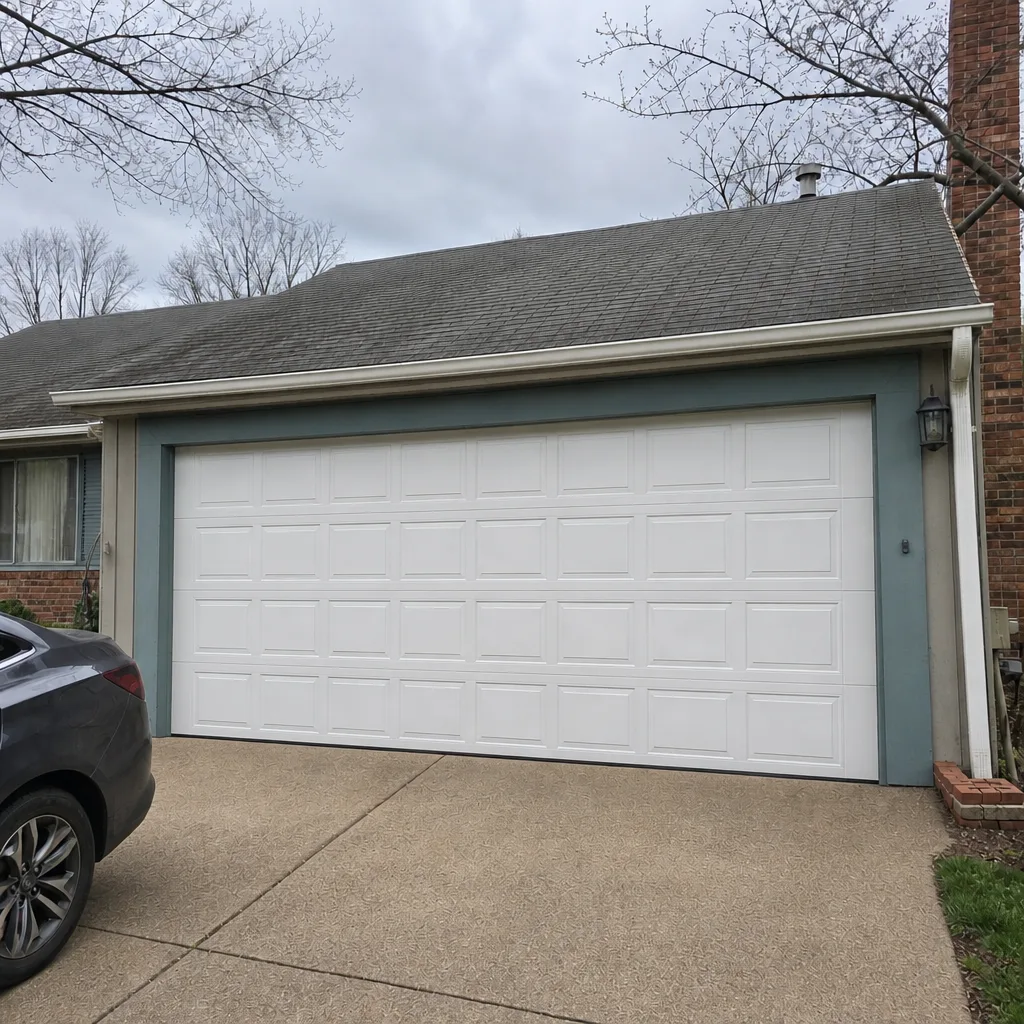
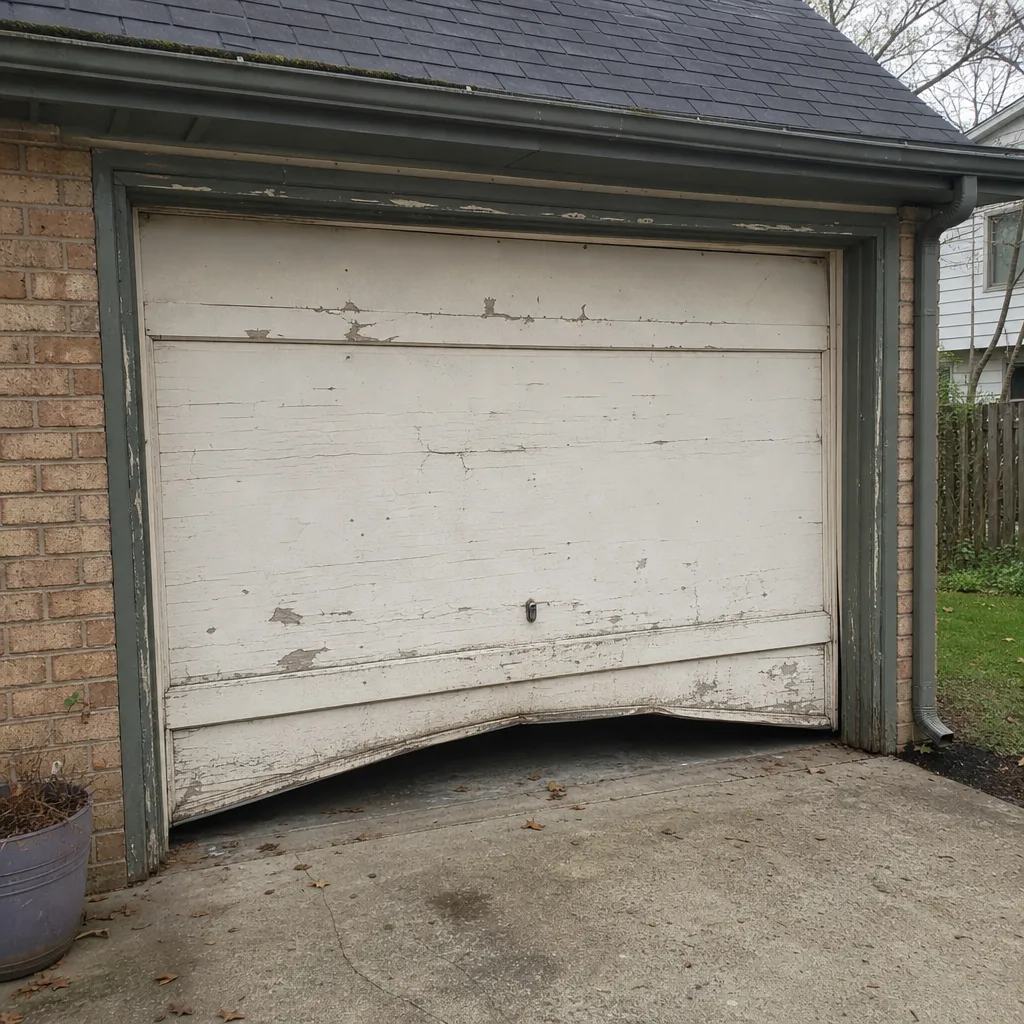
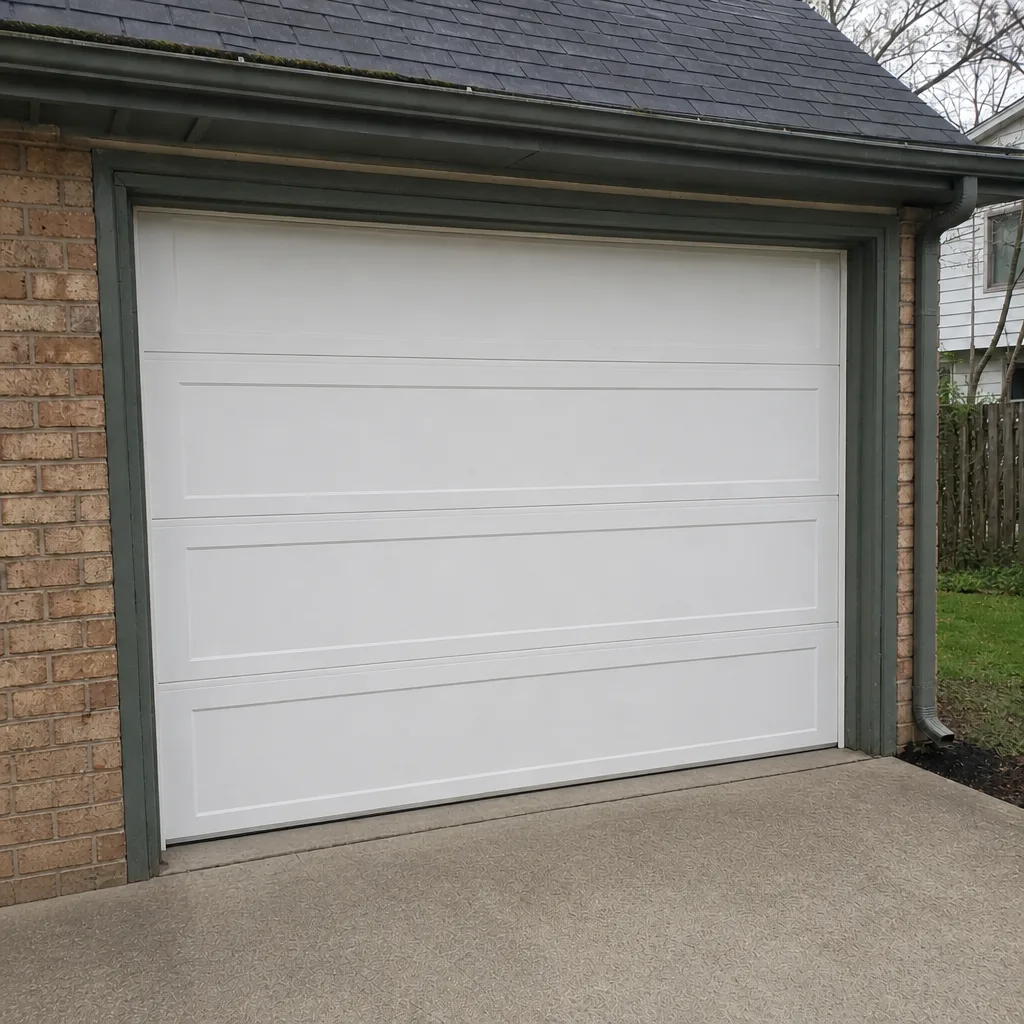
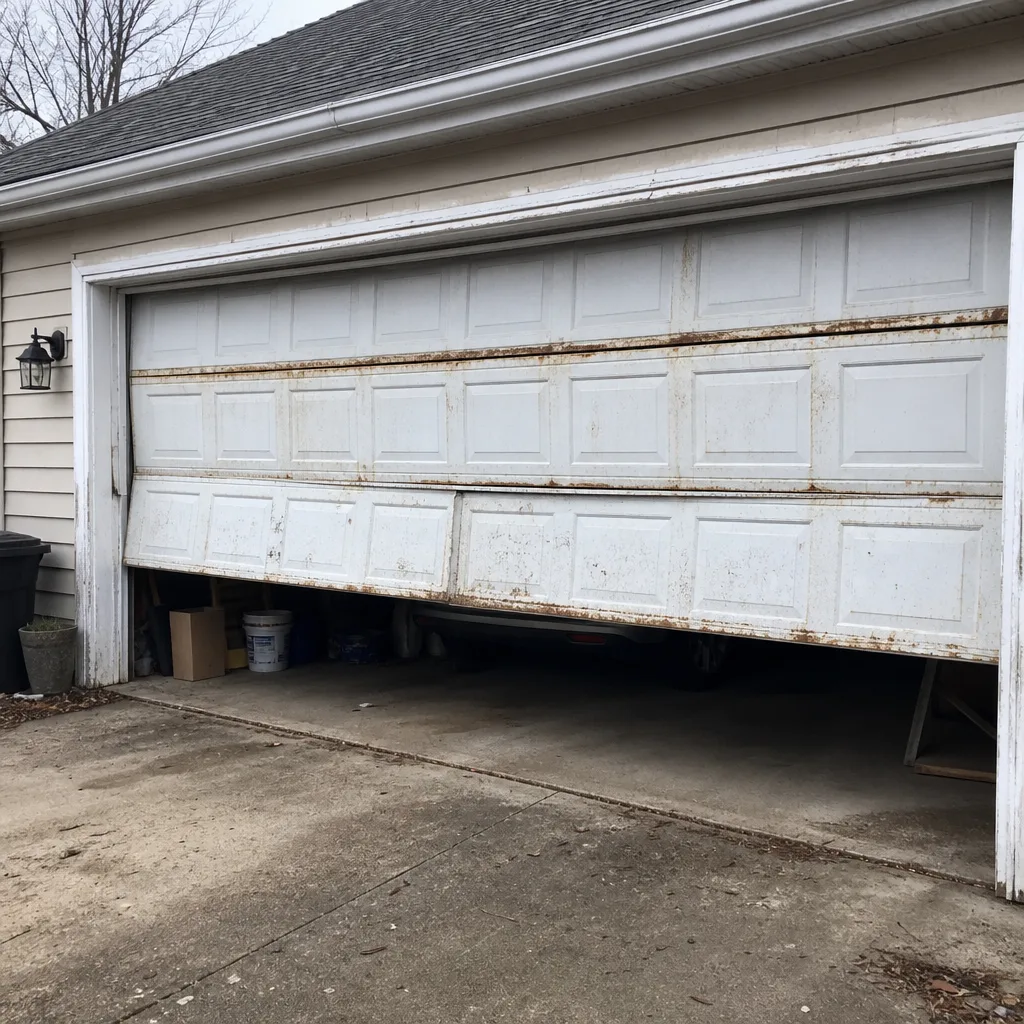
See the difference
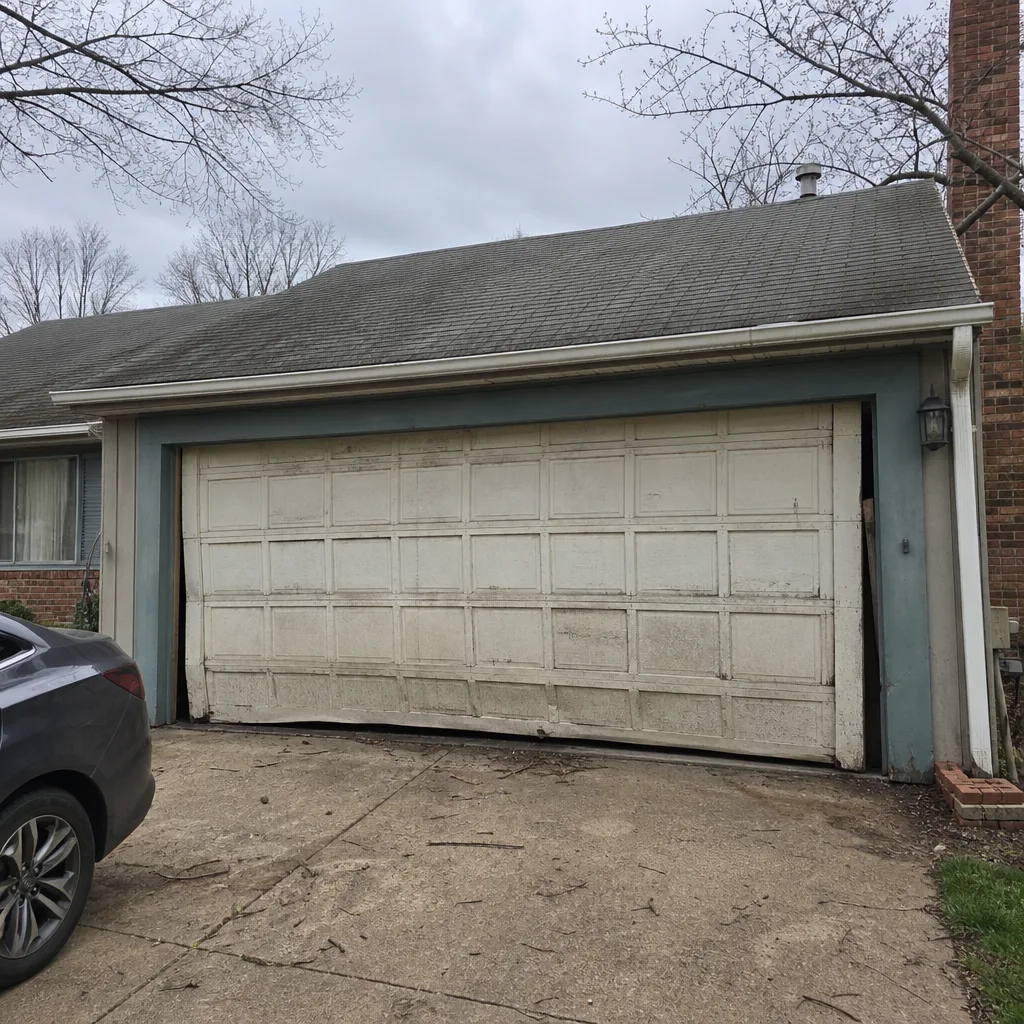 Before
 After
 Before
 After
 Before
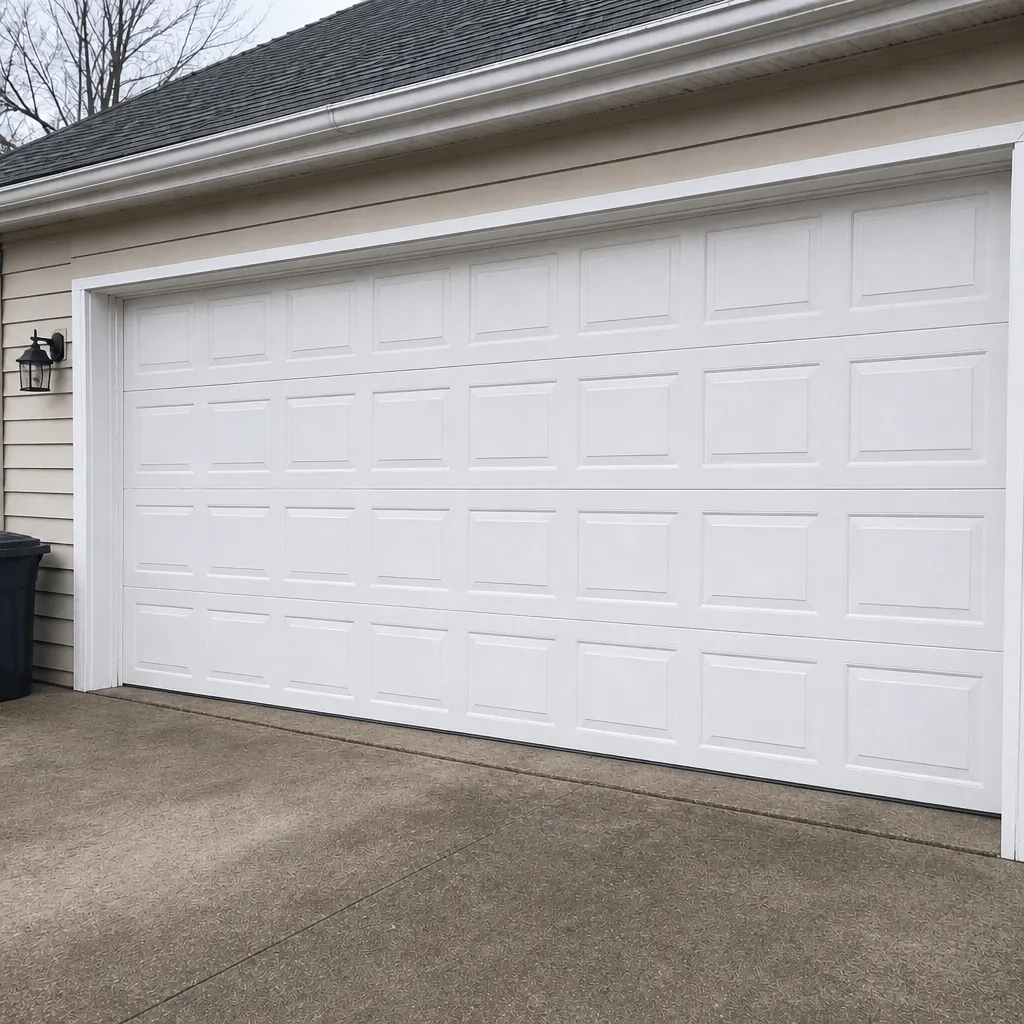 After
When to Call a Professional
Some garage door issues are genuinely do-it-yourself: a remote that needs reprogramming, a sensor that’s been knocked out of alignment, a track that has a small obstruction. Others are not. Call a professional when the door is out of balance (it drifts down when you let go halfway), when the springs are broken or making a loud bang, when the door comes off its tracks, when the opener runs but the door doesn’t move, or when the door reverses unpredictably. Spring and cable work in particular should always be handled by a trained technician – the tension involved can cause serious injury. If your door fails and won’t open or close, that’s a security problem and an access problem at once, and emergency service is the right call rather than waiting for a scheduled appointment.
Alexandria Garage Door Repair Pros offers free estimates in Alexandria – call (877) 379-9603. Our technicians have up to 12 years of experience, and every job starts with a written quote you agree to before any work begins. For repair work, we also provide fast dispatch from 7am to 7pm and can often respond the same day. If you’re not sure whether you’re looking at a repair or a replacement, our garage door repair team can diagnose it and tell you honestly.
Frequently Asked Questions
In many Alexandria communities, yes. If your home is in an HOA-governed neighborhood like Cameron Station or Kingstowne, exterior changes including garage doors typically require architectural review approval before installation. Check your association’s guidelines and submit the request before you order. The approval is your responsibility, not the installer’s, and reversing course after installation is expensive.
Insulated steel is the most practical choice for most Alexandria homes. It handles the area’s humidity swing better than wood, needs less maintenance, and holds its finish well. Wood suits historic districts and period architecture but requires regular refinishing. Composite and wood-look products split the difference if you want the carriage-house appearance without the upkeep. Call (877) 379-9603 for a free estimate on your specific situation.
It depends on your garage configuration. If your garage is attached to the house and shares walls or a floor with living space, an insulated door reduces heat transfer and noise and is usually worth it. For detached garages, insulation mainly affects comfort if you use the space, not your energy bills. If you choose an insulated door, make sure your opener is rated for the extra weight.
Often, yes, if the panel style is still in production and the door’s structure is sound. Panel replacement is common after impact damage. The catch is availability: discontinued styles and colors may not be matchable. A technician can tell you whether a panel match is realistic or whether a full replacement makes more sense. Call (877) 379-9603 for a free estimate.
The installation itself is usually a single-day job once the door arrives on site. The full timeline from order to installation depends on the manufacturer, the product line, and whether custom sizing or a special finish is involved. Standard sizes and common styles move faster. Measure, approval, ordering, and installation are separate steps, and the written estimate will spell out the schedule.
Stop using the door and call a professional. A broken spring means the door’s weight is unsupported, and the opener will strain or fail trying to lift it. Do not attempt to replace springs yourself – they’re under extreme tension and can cause serious injury. Our Alexandria Garage Door Repair Pros team handles spring repair and can respond quickly when access and security are at stake.
The Bottom Line
The right garage door for an Alexandria home comes down to matching three things: your HOA’s architectural guidelines, your home’s construction and age, and the material’s behavior in this climate. Check zoning and HOA approval before you order anything. Choose steel unless historic character or a specific association rule calls for wood, and consider composite if you want the wood look without the upkeep. Match your opener to your garage configuration – belt drive for attached, chain or direct drive for detached – and size it for the door’s weight if you go insulated. Never handle spring work yourself. Get a written estimate before any work begins, and call (877) 379-9603 for a free estimate on your project.
Written by the team at Alexandria Garage Door Repair Pros.