Last updated November 22, 2026
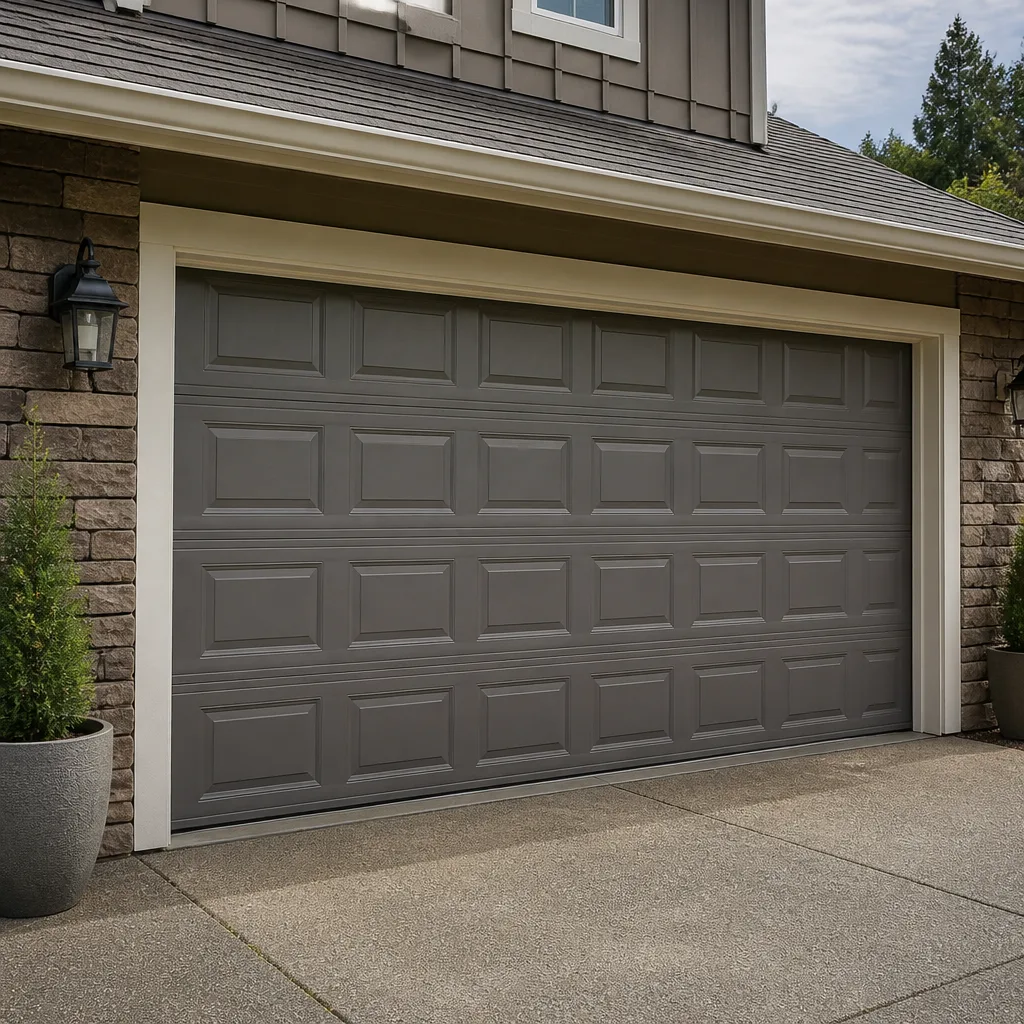 Raised-panel steel
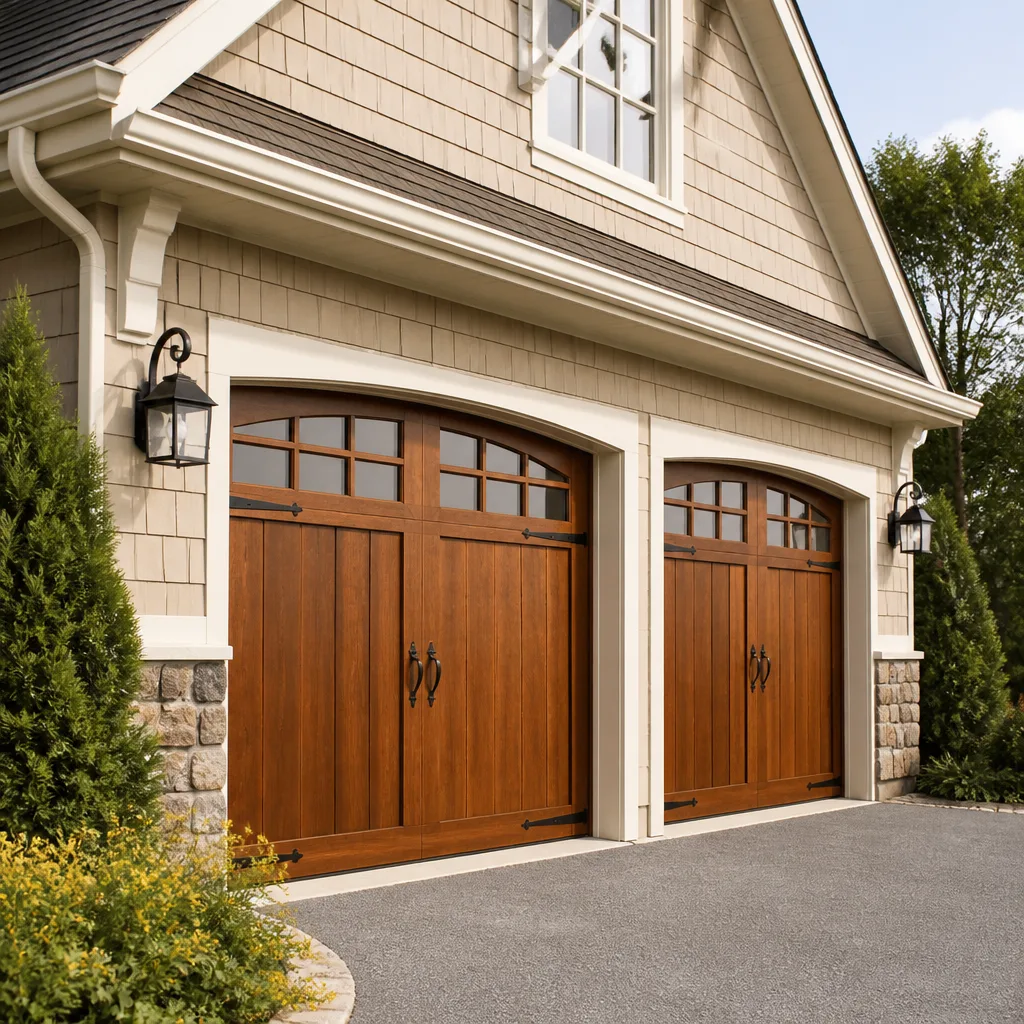 Carriage house
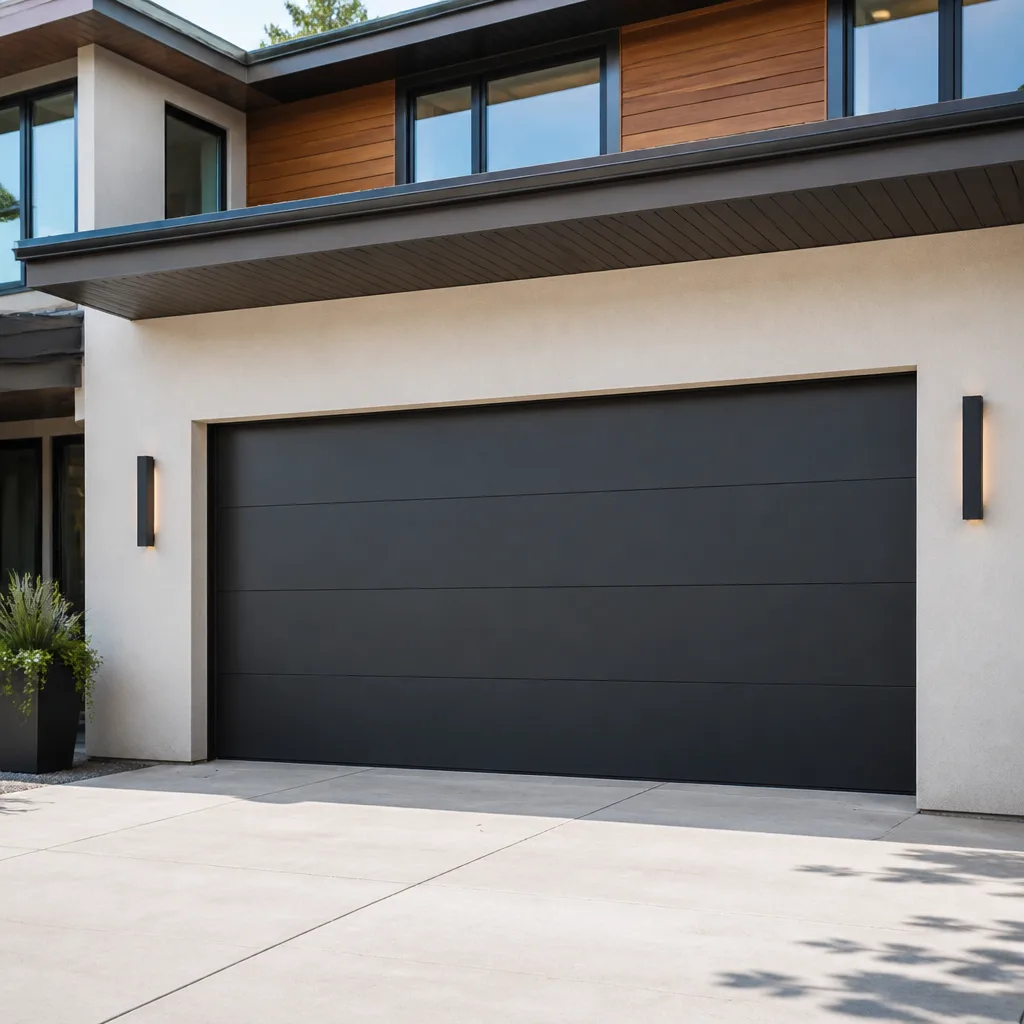 Modern flush
 Full-view glass
 LiftMaster openers
 Chamberlain openers
Full 25-point door and opener safety check with every visit - springs, cables, rollers, tracks, and your LiftMaster or Chamberlain opener included
You get a price before we start. It does not change when the pro arrives.
Get your free estimateGarage Door Warning Signs: An Alexandria Homeowner’s Reference Guide
A garage door that reverses before it fully closes gets blamed on the safety sensors almost every time. It’s the easy answer, the one that shows up first in a search, and the one most homeowners act on by wiping the sensor lenses or swapping the units out. But sensor trouble is only one possible cause, and when the real problem is a force-limit setting that has drifted out of spec, new sensors won’t change a thing. The door keeps reversing. The behavior maps to something deeper in the system. That gap between what you notice and what’s actually failing is what this guide is built around. We’ll walk through the sounds, the visual cues, and the timing quirks that point to specific mechanical stages, so you can judge urgency from evidence instead of guesswork. If you’re in Alexandria and your door is telling you something, this is how to read it.
Quick Answer
The most reliable garage door warning signs are sounds that change (grinding, popping, squealing, banging), a door that sits visibly lower on one side, a door that shudders going up versus coming down, and an opener that responds slowly for reasons other than a weak battery. A door that reverses before closing is a force-limit or travel-limit issue as often as it is a sensor fault, so test all three before replacing parts. Signs that involve torsion springs, cables, or a door that won’t stay up belong in the hands of a trained technician, not a weekend repair.
Styles & brands we work with
- Raised-panel steel
- Carriage house
- Modern flush
- Full-view glass
- LiftMaster openers
- Chamberlain openers
Table of Contents
- What Each Sound Tells You About Component Failure Stage
- Why One Side Sitting Lower Is a Spring Warning, Not an Alignment Problem
- The Reversing Door: Sensors, Force Limits, and Travel Limits
- Shuddering Up Versus Shuddering Down: Two Different Diagnoses
- Slow Opener Response: Why Battery Comes Last, Not First
- Seasonal Versus Immediate: Reading Warning Signs in Alexandria’s Climate
- Brand-Specific Quirks: Why the System in Your Garage Matters
- Common Mistakes to Avoid
What Each Sound Tells You About Component Failure Stage
Sound is the earliest diagnostic signal a garage door gives you, and it’s the one most homeowners dismiss longest. The useful question isn’t “is it noisy” but “which component is making that noise, and how far along is it.” Each distinct sound points to a different part of the system and a different stage of wear.
Here’s how we map the four most common sounds to their likely cause:
- Grinding – metal-on-metal contact, usually at the rollers or the hinge pivots. Early grinding often means dry or worn rollers; persistent grinding can mean a roller has seized and is dragging against the track. Left alone, a seized roller chews the track.
- Popping – a sharp, sudden pop, often once per cycle, frequently points to a torsion spring that has developed a small break or a cable that has jumped a drum. This is a stop-and-call sign. A torsion system under load can fail suddenly and is genuinely dangerous to work on.
- Squealing – a high-pitched continuous squeal usually comes from the opener’s drive system or the rollers. It’s often the mildest of the four, but a squeal that develops into a grind means the wear has progressed.
- Banging – a heavy thud at the start or end of travel usually means the door is hitting its travel limit hard or a torsion spring has lost tension and the door is dropping into the close rather than easing into it. Banging gets checked quickly.
What matters for a homeowner in Alexandria is the trend, not the single event. A door that has gotten louder over a few weeks is telling you a component is in the middle of a wear curve. Catching it there is cheaper and safer than waiting for the pop. When the sound is a pop or a bang, stop cycling the door and get it looked at.
Why One Side Sitting Lower Is a Spring Warning, Not an Alignment Problem
If you stand back and one side of your closed door is lower than the other, the instinct is to assume the door is out of alignment and needs to be re-squared. Sometimes that’s true. But a visibly uneven door is very often the first visible sign of a torsion spring that’s losing tension on one side of a two-spring system. The spring that’s still carrying load lifts its half of the door; the one that’s weakening doesn’t. The result is a door that sits crooked before it stops operating altogether.
This is one of the warning signs homeowners most often misread, because the door still opens and closes and the gap looks cosmetic. It isn’t. A torsion system with one failing spring is working harder on the remaining spring, and that remaining spring is now under more stress than it was designed for. That’s the stage where a sudden failure becomes likely.
A few practical ways to tell a spring issue from an alignment issue:
- Check whether the gap is new or longstanding. An alignment problem is usually stable. A gap that appeared over days or weeks points to tension loss.
- Listen for the door to “lean” as it travels. A door with uneven spring tension often tracks slightly crooked through the cycle, not just when closed.
- Notice whether the opener strains more on one side. If the motor labors through part of the cycle and eases through the rest, the load isn’t balanced.
- Don’t touch the springs yourself. Torsion springs and the cables that run with them are under high tension. This is the part of the system to hand off.
In our experience, a door that sits noticeably low on one side is worth a look before anything else on this list. Catching an uneven door early is one of the most reliable ways to avoid an emergency call later. Spring repair is a core part of what we do, and it’s the repair we see the most avoidable damage around.
The Reversing Door: Sensors, Force Limits, and Travel Limits
A door that starts to close and then reverses is the single most common complaint we hear, and it’s also the most misdiagnosed. Most people assume safety sensors. In practice, the sensors are only one of three systems that can trigger a reversal, and the other two – force limits and travel limits – are just as likely to be responsible. Replacing sensors when the actual cause is a drifted force limit fixes nothing and costs you parts you didn’t need.
Work through the three causes in order:
- Safety sensors. Check that the two sensor eyes are aligned across the opening, that nothing is blocking the beam, and that the lenses aren’t dirty. A misaligned sensor is a common and easy fix. If the sensors test fine, move to the next cause.
- Force limits. The opener has a force-limit setting that tells the motor how much resistance to tolerate before reversing. Over time, or after a change in temperature or spring tension, that setting can drift. A door with a slightly stiffer track or a weakening spring now trips the force limit and reverses. This is the cause people rarely check first and the one that leaves a door reversing after new sensors go in.
- Travel limits. The opener’s travel limits tell it where fully closed and fully open are. If the close limit has drifted, the opener can think the door is hitting an obstacle when it isn’t. Adjusting the travel limits is a setting change, not a part replacement.
If you’ve replaced sensors and the door still reverses, the problem was never the sensors. That’s the pattern we see most often. It’s worth having a technician read the force and travel settings against the door’s actual resistance before you buy another part. A garage door that reverses on its own is a security issue too – a door left open because it won’t close is a door anyone can walk through – so it’s worth sorting quickly.
Shuddering Up Versus Shuddering Down: Two Different Diagnoses
A door that shudders feels like one problem, but the direction of travel changes the diagnosis entirely. A shutter on the way up points to the rollers and track. A shutter on the way down points to spring tension balance. Treating them as the same issue leads people to lubricate rollers when the real problem is a spring, or to call for a spring check when a roller has simply seized.
Here’s how the two compare:
- Shudder on the way up – usually a roller or track issue. A worn or seized roller drags through the track, especially at the curve where the horizontal track meets the vertical. A bent section of track or a track that’s out of plumb creates a bump the roller hits once per revolution. Lubrication and roller replacement often resolve this, and a track that’s out of line can be adjusted or replaced.
- Shudder on the way down – usually a spring tension imbalance. As the door descends, the springs are supposed to control the fall and keep the door moving smoothly. If one spring is weak or the tension is uneven, the door drops unevenly and judders on the way down. This one belongs with a technician, because spring tension is the wrong place to experiment.
The distinction matters because the fixes are different trades within the same system. If you’re not sure which direction the shudder is worse, watch the door through a full cycle and note where in the travel it happens. The detail helps a technician diagnose faster and gives you a clearer picture of what’s actually wearing. If you’re already seeing a shutter paired with any of the sounds above, that combination is worth a call rather than an inspection at home.
Slow Opener Response: Why Battery Comes Last, Not First
When an opener takes a while to respond, the reflex is to replace the remote battery. Sometimes that’s the answer. But a slow or intermittent response is more often a signal from the opener or its wiring than from the remote, and starting with the battery means you may replace it three times before you find the real cause. Battery is the last thing to check, not the first.
Work through these before you buy a battery:
- Test a second remote or the wall control. If the wall button responds instantly and the remote doesn’t, the issue is the remote or its signal. If both are slow, the opener itself is the suspect.
- Check the opener’s logic board and antenna. A loose antenna wire or a logic board that’s starting to fail can cause delayed response. A board fault often shows up as slow response before it fails fully.
- Look at the safety sensor beam and the photo-eye. A partially blocked or misaligned sensor can cause the opener to hesitate as it processes the beam status.
- Check the power supply and any surge protection. A circuit that’s under load or a failing surge protector can cause the opener to lag.
- Check the battery last. If everything above tests clean, replace the remote battery and the backup battery in the opener if it has one.
There’s another angle worth knowing about. A door that’s getting heavier because a spring is weakening can make the opener seem slow, because the motor is doing more work than it used to. The motor is fine, the door is heavier. So if the opener is slow and the door also feels heavier or runs louder, the opener may not be the problem at all. A diagnostic that checks the whole system catches this; one that checks the remote doesn’t. When you call, tell us what you observed and we can narrow it from the phone before anyone comes out.
Seasonal Versus Immediate: Reading Warning Signs in Alexandria’s Climate
Not every change in your door’s behavior means something is failing. Some warning signs are closely tied to the seasons and settle down on their own. Others need attention regardless of the calendar. Knowing the difference keeps you from calling for a minor seasonal quirk and, more importantly, keeps you from waiting out something that needs service now.
Alexandria has four distinct seasons, and each one presses on a garage door differently. Summer heat and humidity can make a door feel slightly heavier or cause the track and the door to expand at slightly different rates. Cold snaps in the winter are when stiff lubricant and contracted metal can make a door run louder or a roller feel tighter. Spring and fall tend to be the seasons with the fewest false alarms, which is why they’re the best times to schedule a full inspection before the extremes hit.
Here’s the split:
- Usually seasonal and self-correcting – a little more noise in the first cold week, slightly stiffer travel in hot weather, minor condensation on the door panels, a door that runs a touch slower after a temperature swing. These tend to ease within days of the season settling.
- Needs service regardless of season – popping or banging, a door that reverses on its own more than once, a visibly uneven door, a door that won’t stay up when you lift it, or any sound that’s been getting louder over several weeks. These aren’t weather. They’re wear.
There’s a local wrinkle worth naming: Alexandria’s older housing stock means plenty of homes have doors and openers that are well past the age where seasonal variation is the whole story. A door that’s been in place a long time and suddenly starts behaving differently in a temperature swing is a door that was likely on the edge already. Give it a look in that case.
Brand-Specific Quirks: Why the System in Your Garage Matters
Garage doors and openers aren’t interchangeable, and diagnostic advice that ignores the brand is advice that can send you chasing the wrong part. The system already in your garage – the door manufacturer and the opener manufacturer – shapes which failure modes are likely and how a technician should approach it. We work on the brand already in your garage, and the eight major brands we see most in Alexandria each have their own patterns: LiftMaster, Chamberlain, Genie, Clopay, Amarr, Wayne Dalton, Craftsman, and Raynor.
A few examples of how that changes the diagnosis:
- Opener platforms. LiftMaster, Chamberlain, Genie, and Craftsman openers each handle force limits, travel limits, and remote pairing differently. An opener that’s behaving erratically may need a specific adjustment sequence, not a generic reset. Knowing the platform shortens the diagnostic.
- Door manufacturers. Clopay, Amarr, Wayne Dalton, and Raynor each build their doors with their own spring systems, panel weights, and hardware patterns. A spring repair on one maker’s door is not the same procedure as another’s. The right fix for your specific door, not a one-size-fits-all patch, is the only approach that lasts.
- Age and part availability. Older doors from any of these makers can have hardware that’s discontinued. Knowing the brand and model lets a technician tell you up front whether a repair is straightforward or whether a component is hard to source, before anyone commits.
This is part of why we focus on garage doors only. Every technician sent out is a specialist on these systems, not a generalist rotating between trades who’ll meet your door for the first time on your driveway. Garage doors, only. That’s the whole job.
Common Mistakes to Avoid
Most of the serious problems we see result from a handful of avoidable mistakes. These are the ones worth naming specifically:
- Replacing sensors before testing the force limits. A reversing door doesn’t start with a sensor. Check force and travel settings first, or you’ll replace sensors and still have a reversing door. It’s the most common parts-replacement mistake we see in Alexandria.
- Assuming a crooked door is an alignment issue. A door that sits lower on one side is a spring warning more often than an alignment one, and treating it as cosmetic gives a failing spring more time to fail.
- Lubricating a shutter that’s actually a spring imbalance. A shudder on the way down is usually a spring issue, and grease won’t touch it. If the door shudders on descent, get it looked at.
- Replacing remote batteries before testing the wall control. Test the second remote and the wall button first. If the wall control is instant and the remote is slow, the remote is the issue. If both are slow, the battery was never going to help.
- Working on torsion springs or cables yourself. Torsion springs and cables are under high tension and can cause serious injury. No homeowner should attempt spring work, and we strongly recommend against it. This is the single highest-risk part of the system.
- Waiting out a sound that’s been getting louder. A sound that’s been building over weeks is a wear curve in motion, not a seasonal quirk. Waiting rarely makes the repair smaller.
- Ignoring a door that won’t close all the way. A door that stays partially open because it keeps reversing is an access problem, not just a mechanical one. Once the door won’t seal, the garage and the door into the house are exposed. Treat it as a priority.
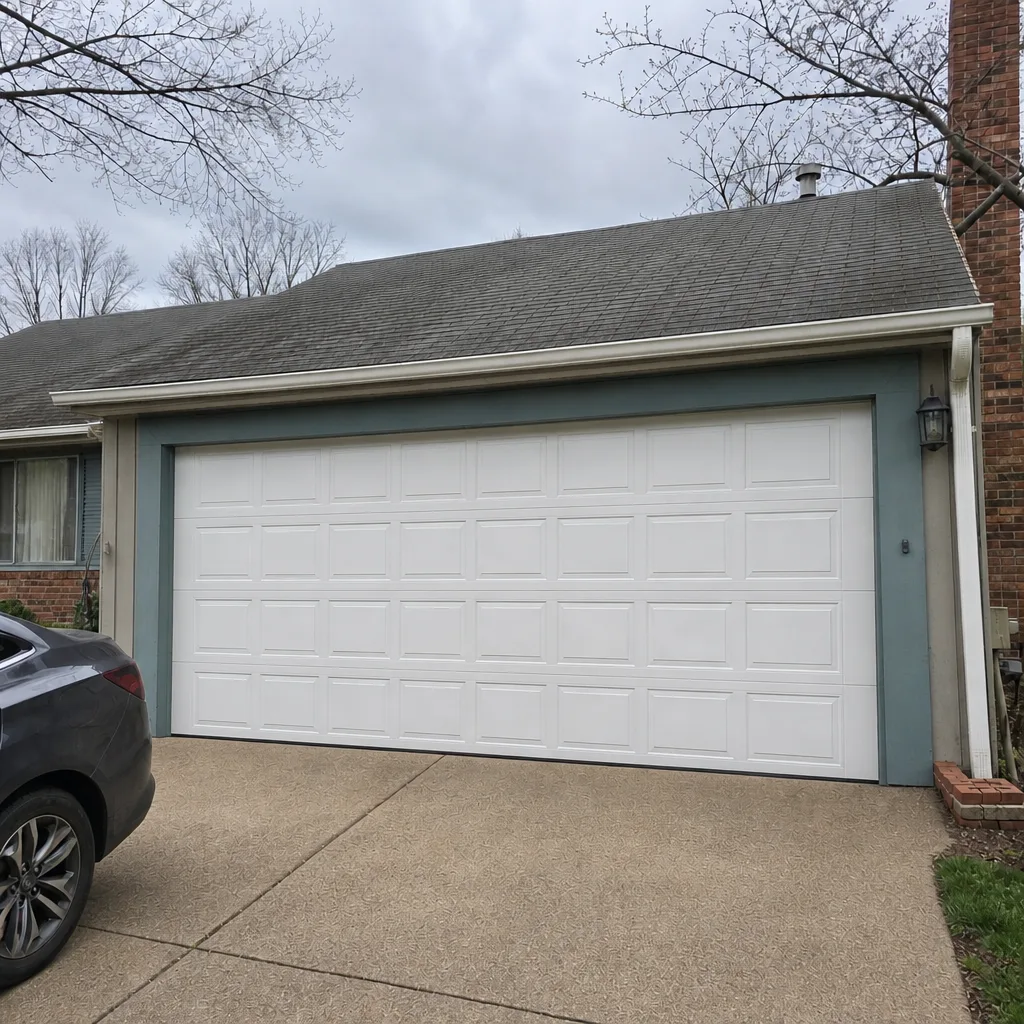
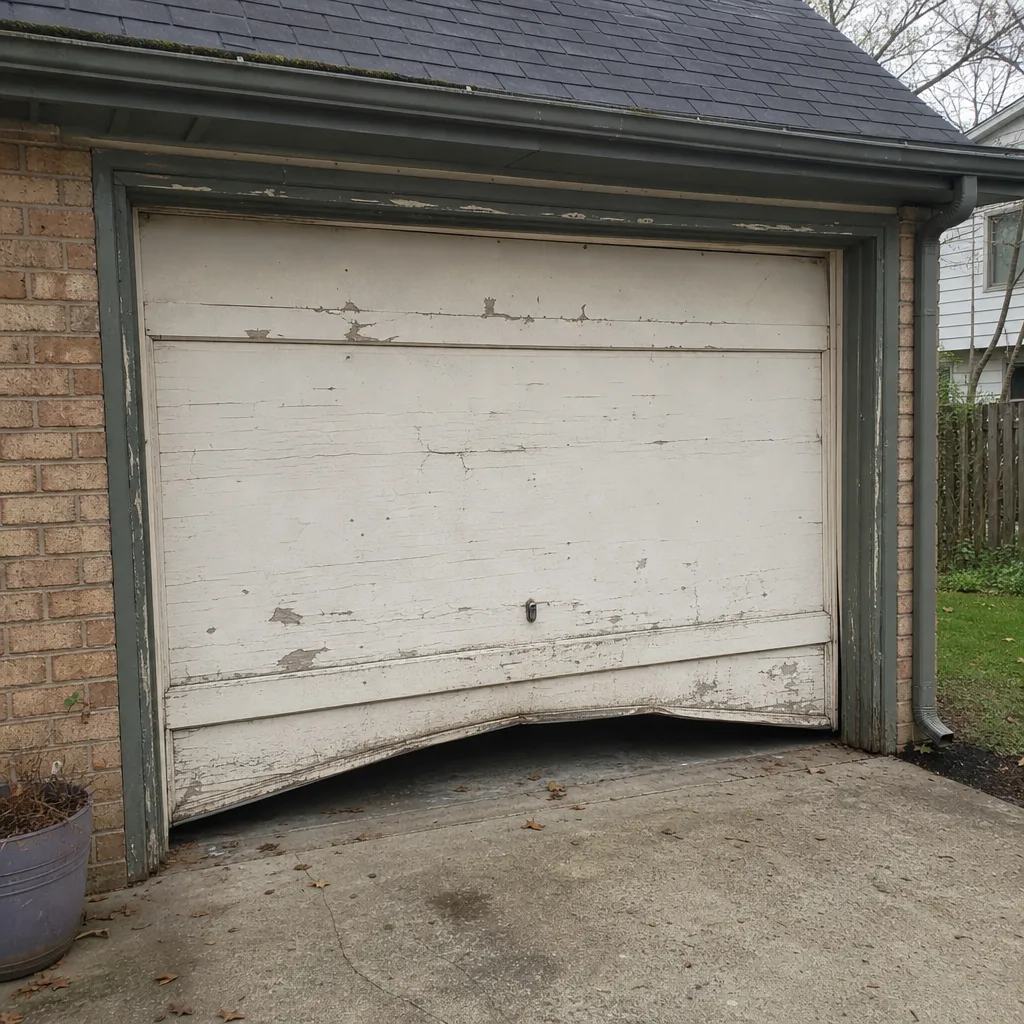
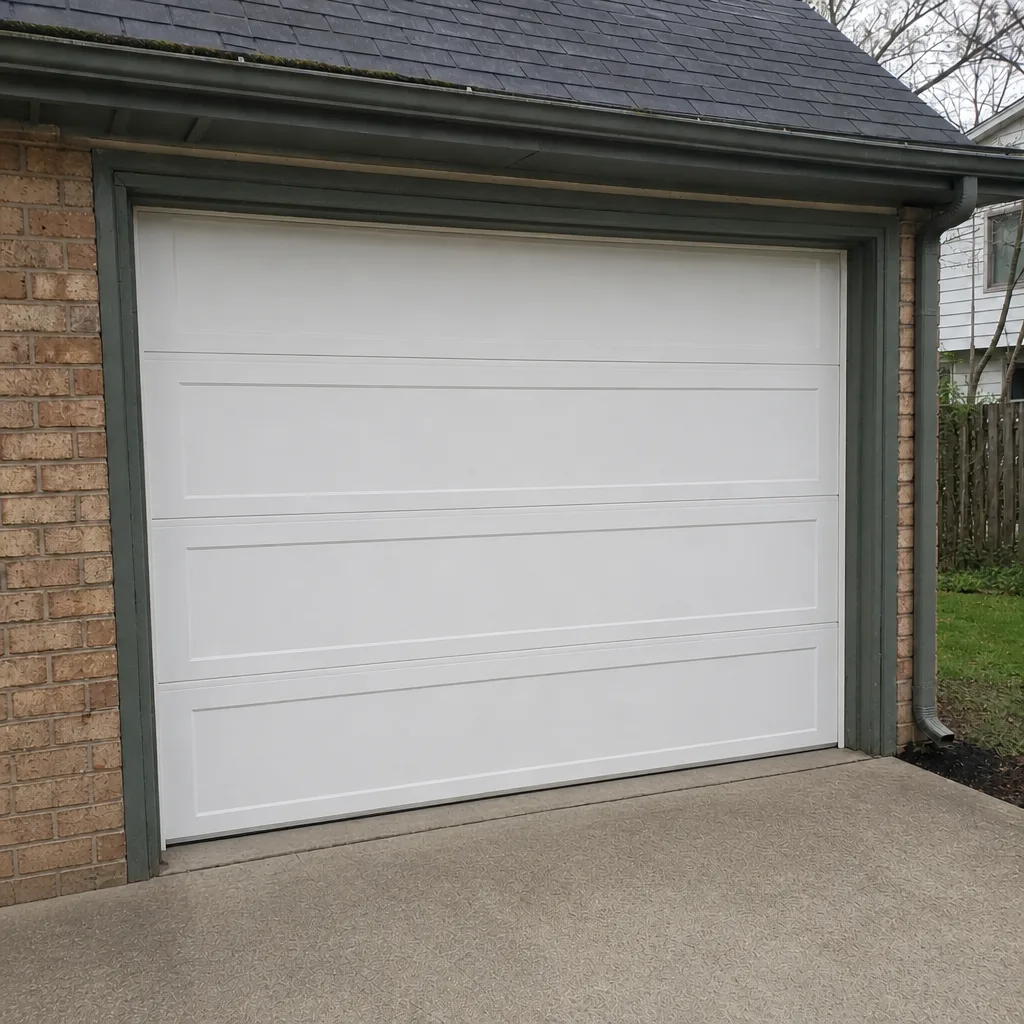
See the difference
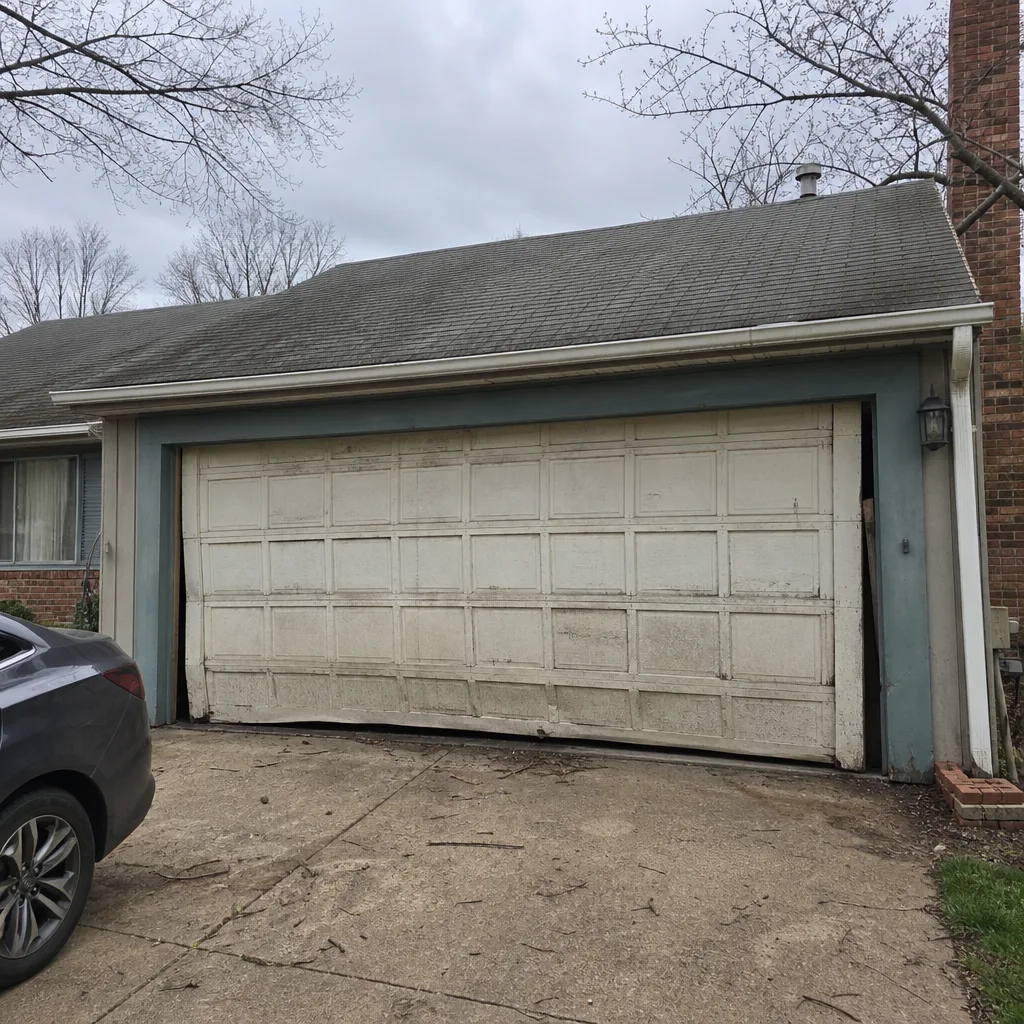 Before
 After
 Before
 After
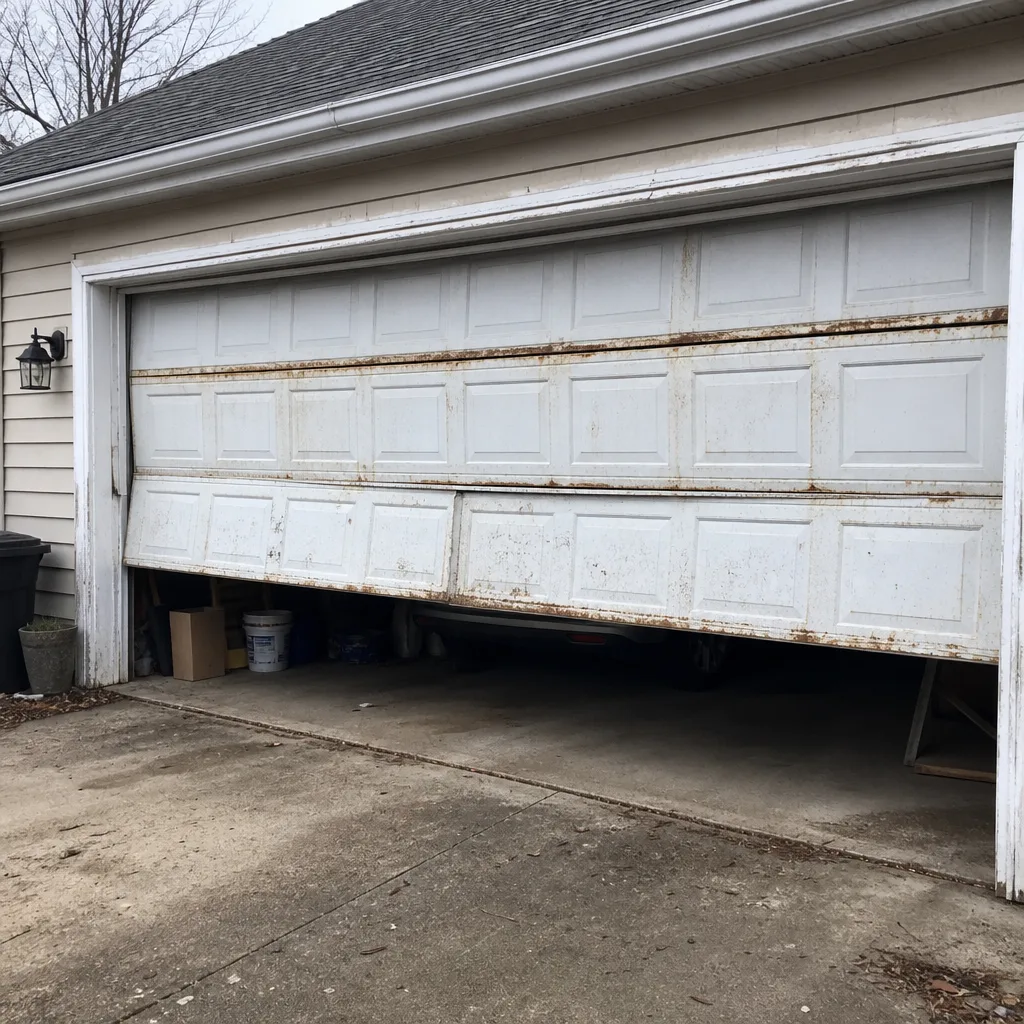 Before
 After
When to Call a Professional
Some warning signs can be handled with a screwdriver and a little patience. Others need a trained technician the same day. Call right away if you hear popping or banging, if the door sits visibly uneven, if a torsion spring or cable looks damaged, if the door won’t stay up when you lift it, or if the door keeps reversing and won’t seal. Those point to spring or cable load, and that’s genuinely dangerous territory. Also call if you’ve replaced sensors or a remote and the behavior hasn’t changed, because the diagnosis is pointing somewhere you haven’t looked yet. We work on the brand already in your garage and we treat emergency response as a core service, not an upsell. If your door won’t open or close, we come now. Alexandria Garage Door Repair Pros offers free estimates in Alexandria – call (877) 379-9603.
Frequently Asked Questions
The earliest reliable signs are a change in sound (grinding, popping, squealing, or banging), a door that sits slightly lower on one side, and a door that shudders through part of its travel. Any of these is worth a look before the door stops working. If it’s a popping or banging sound, stop using the door and call a technician.
A reversing door is caused by one of three systems: safety sensors, force limits, or travel limits. Sensors are the most common assumption, but force-limit drift is a very common cause that sensors have nothing to do with. Check all three, and if you’ve replaced sensors and the door still reverses, have a technician read the force and travel settings. Call (877) 379-9603 for an exact quote – estimates are free.
No, they’re different diagnoses. A shudder on the way up points to rollers or track; a shudder on the way down points to spring tension imbalance. The fixes and the urgency differ, so note which direction is worse before you call. The down-direction shudder is the one to take seriously.
Some seasonal changes are normal – colder weather stiffens lubricant and contracts metal, so a door can run a little louder in the first cold snap. But popping, banging, uneven sitting, or a door that won’t stay up are not weather. Those need service regardless of season, and Alexandria’s older housing stock makes it worth having a technician look at any behavior that’s new.
No. Torsion springs and the cables that run with them are under high tension and can cause serious injury if handled incorrectly, and this is not a homeowner repair. Spring repair is a core part of what we do, and it’s the one item on this list we’d always hand to a technician.
The price is quoted and agreed before any work starts, and the written estimate sets the final price. We diagnose the system, not just the symptom, so the quote reflects what’s actually wrong rather than a guess at the counter. Call (877) 379-9603 for a free estimate.
The Bottom Line
The warning signs homeowners notice first are often a stage behind the real problem. A reversing door is a force-limit issue as often as a sensor issue. A crooked door is a spring warning more often than an alignment one. A slow opener is a logic or wiring signal more often than a battery. Read the sound, the direction of the shudder, and the seasonal pattern together, and you’ll judge urgency from evidence. Handle the low-risk fixes and call a technician for anything involving springs or cables. If it adds up to a repair you’d rather not diagnose alone, Alexandria Garage Door Repair Pros works on the brand already in your garage, and we’re glad to take it from there. Call (877) 379-9603 for a free estimate. You can also review garage door repair and garage door opener repair for the specific service you need, and when a system has reached the end of its life, we handle garage door installation as well. For the full range of what we do as a garage door specialist in Alexandria, or the specific services on our Alexandria Garage Door Repair Pros home page, that’s where to start.
Written by the team at Alexandria Garage Door Repair Pros.