Last updated November 22, 2026
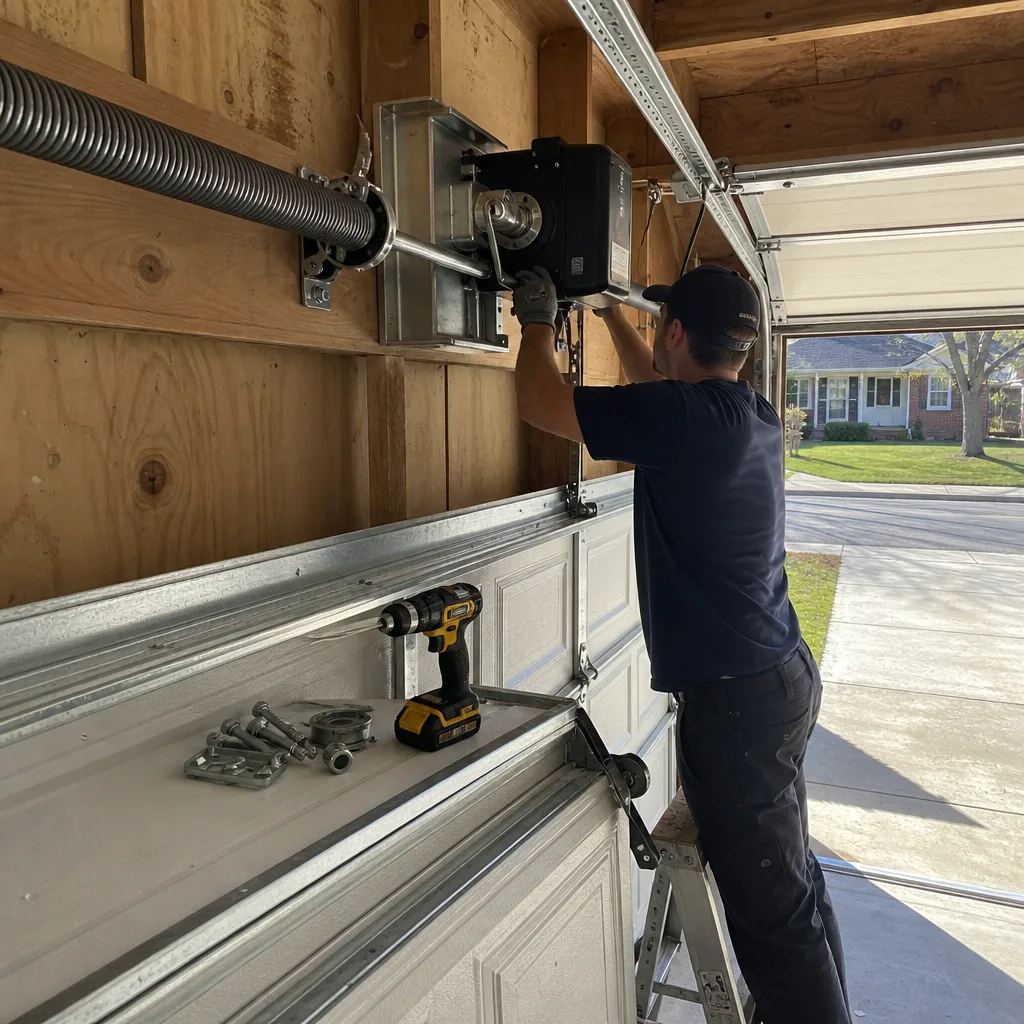
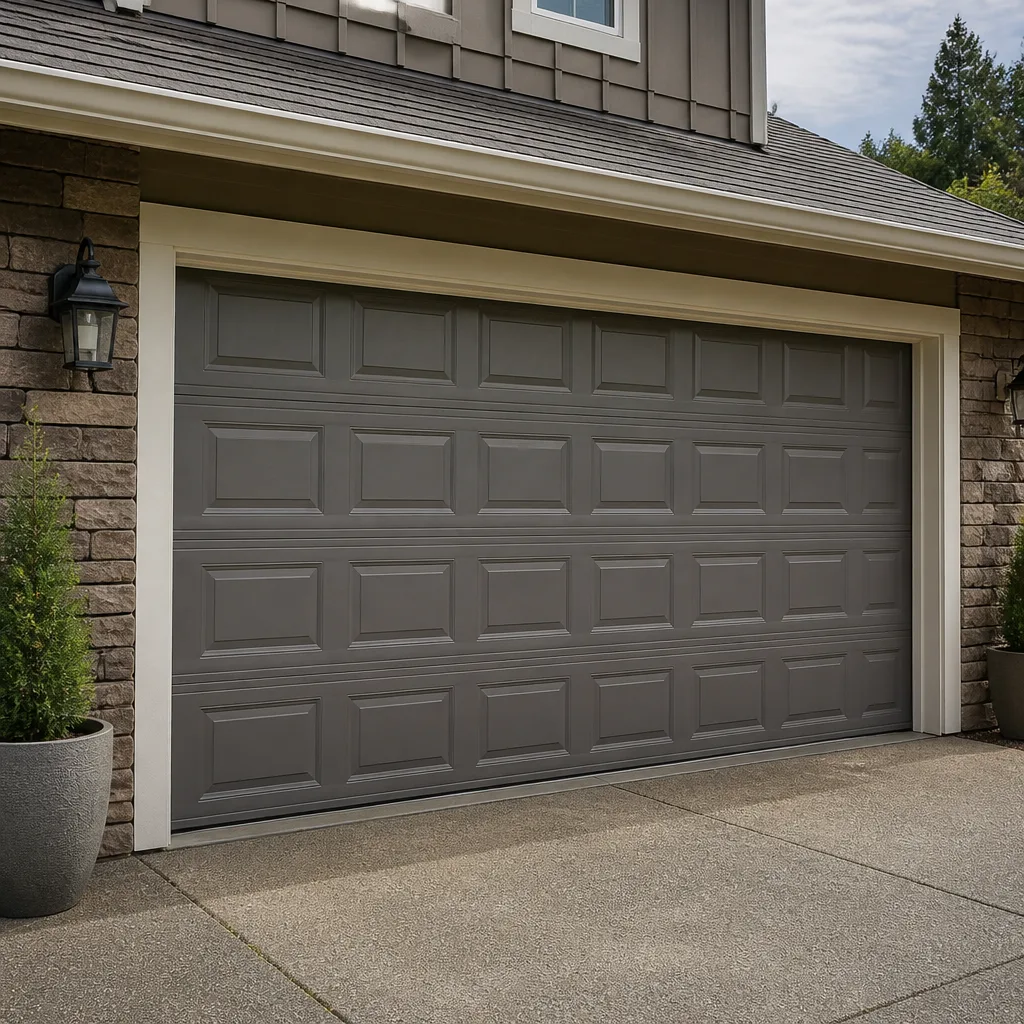 Raised-panel steel
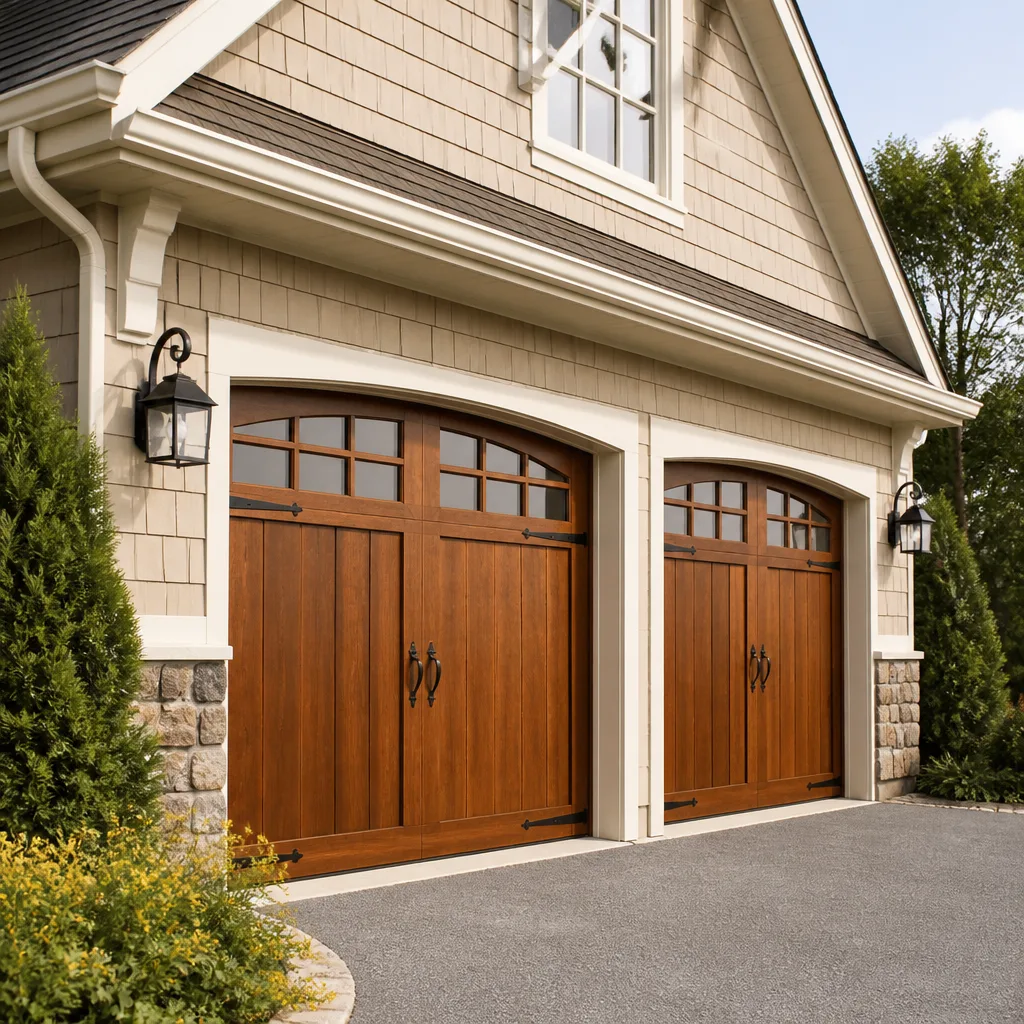 Carriage house
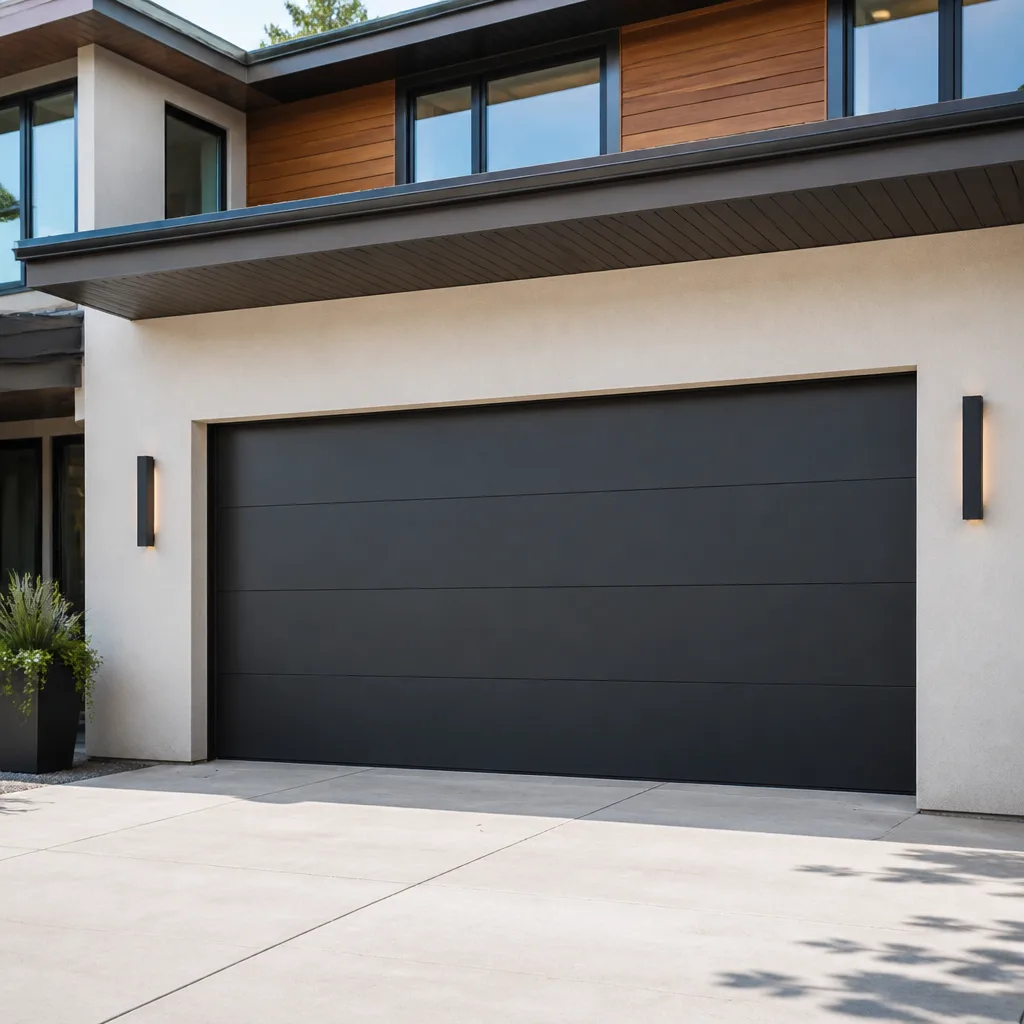 Modern flush
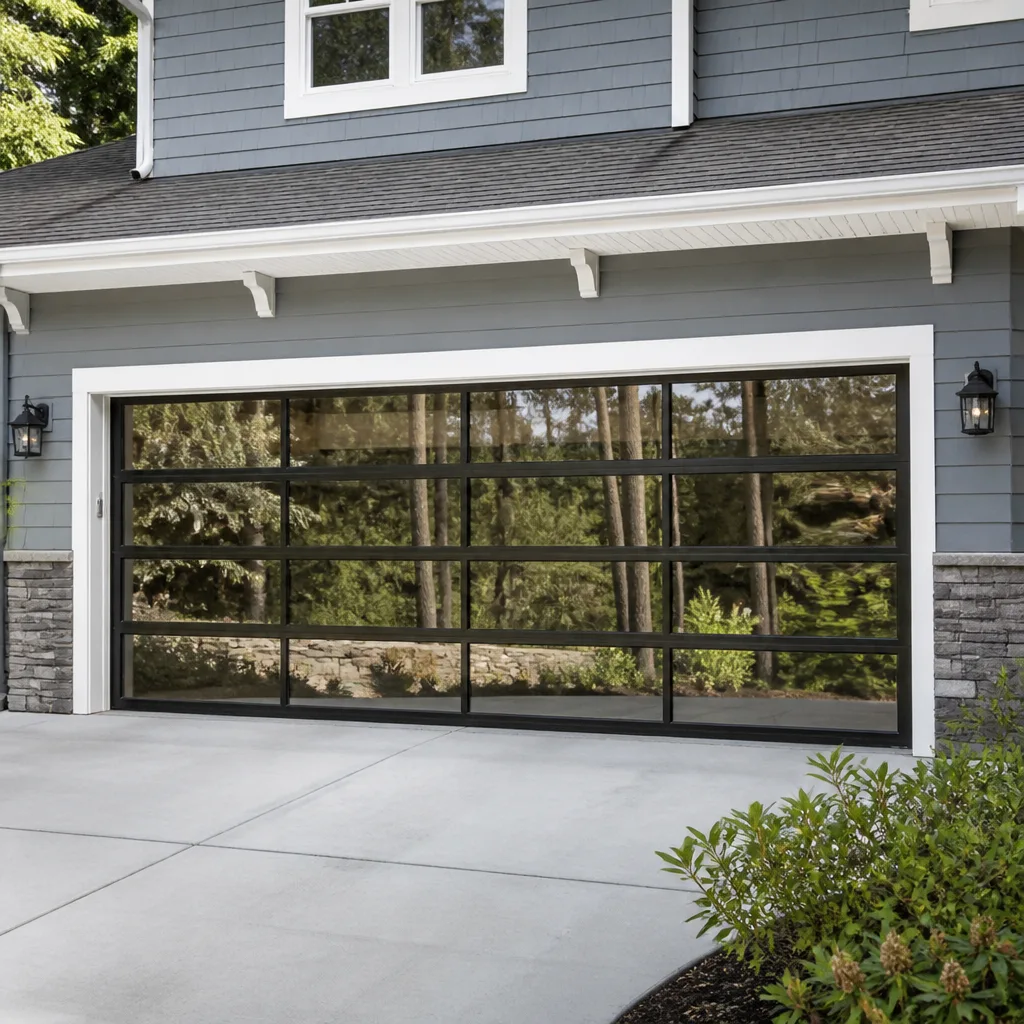 Full-view glass
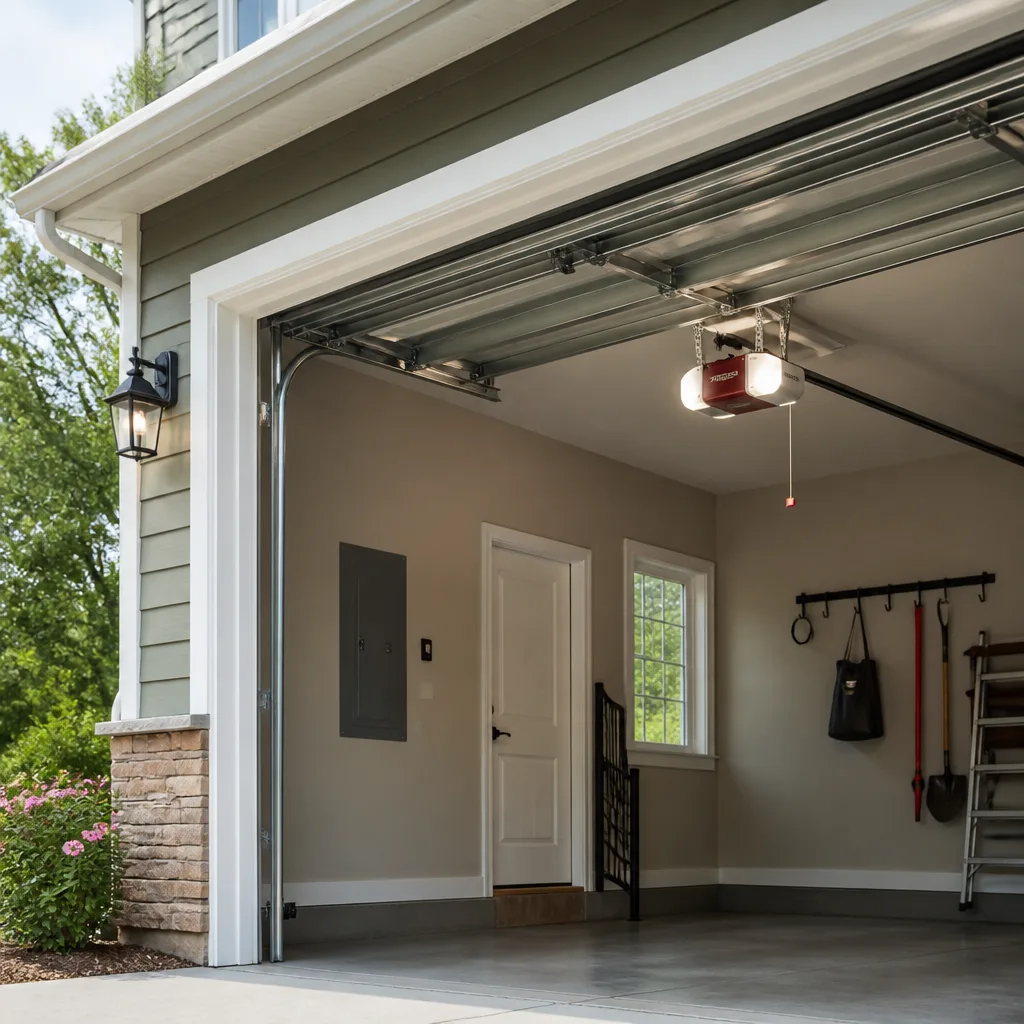 LiftMaster openers
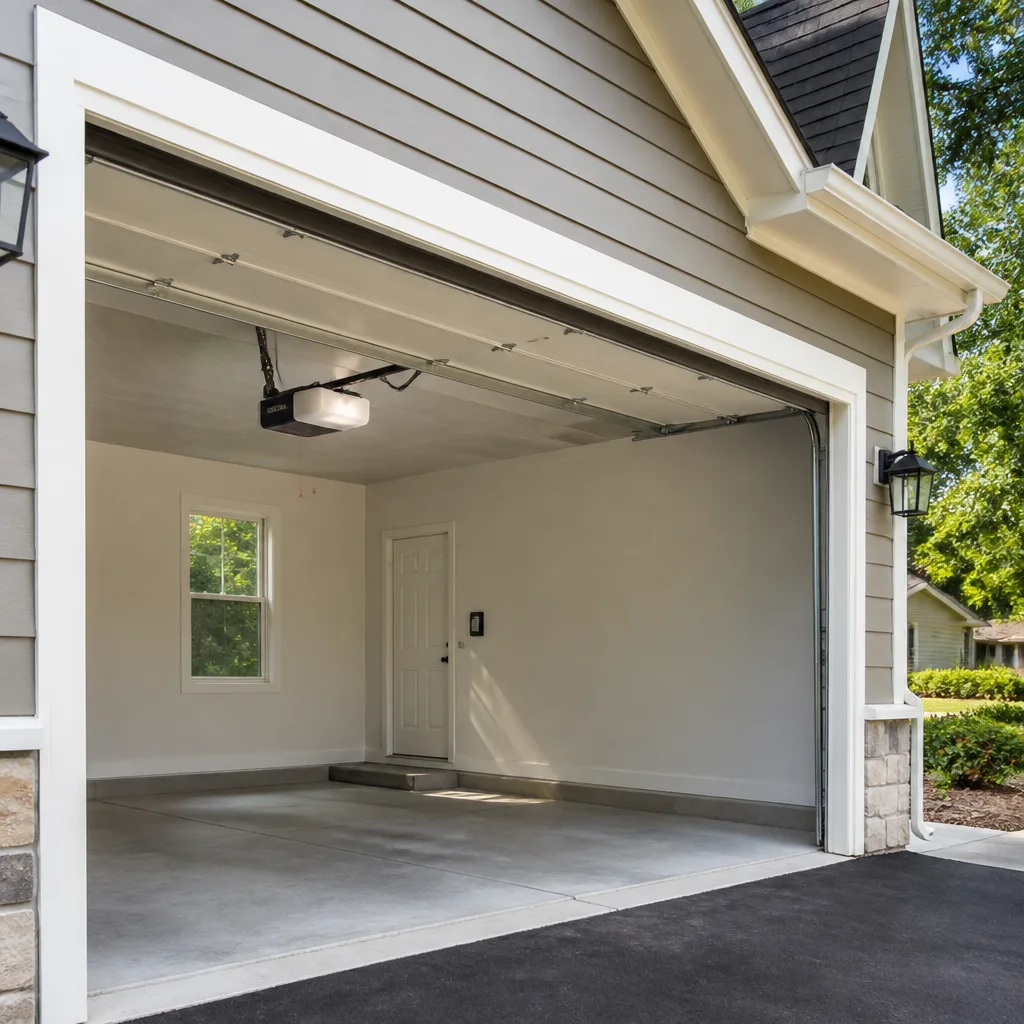 Chamberlain openers
Full 25-point door and opener safety check with every visit - springs, cables, rollers, tracks, and your LiftMaster or Chamberlain opener included
You get a price before we start. It does not change when the pro arrives.
Get your free estimateSeasonal Garage Door Care for Alexandria: Year-Round Homeowner’s Guide
The month that breaks the most garage doors in Alexandria isn’t January. It’s March. By then the coldest weather has passed, but the damage from a full winter of freeze-thaw cycling has already been done: bottom seals that were stiffened by cold air all season crack the first time they’re compressed against a warming concrete floor, and cables that stretched through repeated warming and cooling start to show fraying exactly when the weather turns nice and nobody’s looking. Alexandria’s garage door stress doesn’t come from the most extreme days of the calendar. It comes from the transitions: humidity swings that swell wood, temperature drops that contract metal, and pressure changes that pull weatherstripping adhesives apart, often all at once. In the sections that follow we’ll walk through what each season does to your door and what to check before the next swing arrives.
Quick Answer
Garage door care in Alexandria runs on a seasonal cycle tied to the transitions, not the extremes: inspect spring tension and cables in spring after winter’s freeze-thaw toll, watch wood panels for humidity warping in summer, replace weatherstripping and align tracks in fall before the cold sets in, and check your bottom seal in winter for freeze-to-floor contact. Rollers are the one component that needs inspection year-round.
Styles & brands we work with
- Raised-panel steel
- Carriage house
- Modern flush
- Full-view glass
- LiftMaster openers
- Chamberlain openers
Table of Contents
- Why Transition Weather, Not Extreme Cold, Drives Alexandria Door Failures
- Spring: Post-Winter Spring Tension and Cable Inspection
- Summer: Humidity, Wood Panel Warping, and Composite Doors
- Fall: The Pre-Winter Prep Sequence That Prevents Cold-Weather Failures
- Winter: Ice Storms, Freeze-to-Floor Risk, and Bottom Seal Material
- Rollers: The Year-Round Task Most Seasonal Guides Skip
- Matching Seasonal Care to Your Door and Opener Brand
- Common Mistakes to Avoid
- When to Call a Professional
Why Transition Weather, Not Extreme Cold, Drives Alexandria Door Failures
A garage door is a mechanical system made of materials that respond to temperature and moisture at different rates. Steel tracks contract faster than wood panels. Vinyl weatherstripping softens sooner than aluminum does. Wood swells and shrinks with humidity while the hardware around it stays put. In a place like Alexandria, where the calendar swings between humid summers and freeze-thaw winters, those materials are constantly being pushed against each other. That’s exactly the environment that wears a door out.
A cold snap is actually easier on most doors than the week after it, when temperatures climb back above freezing and the door has to expand into spaces that were tight the day before. This is why the calls we handle during the transition months so often involve problems that started weeks earlier and only became visible when the weather changed.
What each transition does to your system
- Winter into spring: Metal contracts through the cold, then expands as it warms. Cables that were under steady winter tension start to loosen and expose frayed spots. Rubber seals that stiffened can crack on first compression.
- Spring into summer: Humidity climbs. Wood panels absorb moisture and swell. Composite doors with adhesive seams can separate when humidity crosses the threshold the panel manufacturer built into the material.
- Summer into fall: Humidity drops as fast as it rose. Wood shrinks back, sometimes leaving gaps. Weatherstripping that stretched through the humid months no longer seals tightly.
- Fall into winter: Adhesives that held all summer can let go when the surfaces they bond to contract. This is why fall prep, not winter repair, is how you prevent the coldest months’ failures.
If you notice a new sound, a slight unevenness, or a gap around the perimeter during any of these transition weeks, that’s the signal to look closer. What feels like a minor annoyance now is often the early stage of a garage door repair that becomes urgent two months later. We work on the door already in your garage, brand by brand, so the assessment starts from what you actually own.
Spring: Post-Winter Spring Tension and Cable Inspection
Spring is the right time for a spring tension inspection because your springs have just spent a full winter working in their hardest conditions. Torsion and extension springs compress and release through every open-and-close cycle, and cold weather makes metal less forgiving. The problem is that the wear doesn’t announce itself until something fails, and a failing spring can cause serious injury. This is not a component to inspect by hand. A trained technician uses the right tools and knows what to look for without getting close to the tension.
What a spring inspection actually covers
- Check spring wind count and any visible gap or separation in the coil.
- Compare left and right spring tension on a two-spring system (they rarely fail at the same rate).
- Listen for the crunching or popping sounds a fatigued spring makes under tension.
- Measure door balance by disconnecting the opener and manually testing where the door rests when half-open.
- Inspect cables at the drum and at the bottom bracket, where winter wear tends to show first.
Why spring instead of fall for this check? Because the previous winter’s freeze-thaw cycle is the event that stresses springs the most, and you want a professional looking at them while their spring condition is fresh in the season. Fall inspections are useful too, but they cover the door as it enters winter. They can’t undo the wear that’s already happened.
How winter-induced cable fraying shows up
Cables don’t fray from one bad day. They fray from repeated expansion and contraction against sharp contact points, and Alexandria winters put that stress on the cable every time the temperature crosses freezing. You might notice a slight popping sound when the door opens, a jerky motion, or a strand poking out near the drum. Any of those is a stop-use signal. Call a professional to look at it, and don’t run the door again until someone has.
Spring and cable work is one of the most dangerous garage door jobs there is. We handle it as a specialty, not a side service, and we do it with the door’s exact brand and spring configuration in mind. If you’re hearing anything that makes you uneasy, call us at (877) 379-9603 and we’ll talk through what you’re hearing before we book a visit.
Summer: Humidity, Wood Panel Warping, and Composite Doors
Alexandria summers press moisture into the wood sections of a garage door twenty-four hours a day. Wood doesn’t just absorb water. It swells along the grain, bows in the middle of a panel, and pulls at the hardware that holds each section together. If you own a wood door, this is the season when you’ll first notice panel separation, gaps at the stiles, or a door that no longer sits flush in the opening.
What humidity does to wood panels
- Panel centers bow outward while edges stay anchored, leaving a slight curve visible when you sight along the door.
- Paint at the joints cracks as the wood expands underneath, exposing raw wood.
- Bottom sections closest to the concrete floor absorb more moisture than the top.
- Hinge and bracket screws loosen as the wood around them softens.
The fix isn’t to seal every panel and hope. It’s to keep the door painted and free of standing water at the bottom and to have a professional look at any panel that has visibly moved. Most wood damage in Alexandria starts at a joint that absorbed more moisture than its neighbors.
What threshold triggers composite door separation
Composite and composite-overlay doors are less vulnerable than solid wood, but they have their own seasonal weak point: the adhesive seams holding the panel together. When relative humidity stays high for weeks on end and the panel surface repeatedly takes on and releases moisture, those seams can open up. There’s no single humidity number that applies to every door, because panel construction and adhesive type vary by manufacturer. What matters is what you see: a seam that’s visibly open, a whisper of flex in the panel when you press it, or a finish that’s popping at the edge.
Brands like Clopay and Amarr build composite doors with different panel constructions and different adhesive methods. Knowing which one is on your door is how a technician decides whether the separation is cosmetic or structural. We work on the brand already in your garage, so the assessment starts from the manufacturer’s own design, not a generic guess. If a garage door opener is straining to lift a door that’s dragging on a swollen panel, garage door opener repair may be part of the picture too.
Fall: The Pre-Winter Prep Sequence That Prevents Cold-Weather Failures
Fall is the season to act, not the season to inspect. The failures that dominate Alexandria garage door calls through winter are almost all preventable with a sequence of small jobs done before the first hard freeze. Get them done in the right order and you’ll spend the cold months driving through a door that closes cleanly, not chasing drafts and cold-air leaks.
The prep sequence, in order
- Weatherstripping replacement. Perimeter seals are what keep cold air, moisture, and pests out. Replace any that’s cracked, curled, or detached before the cold sets in. Adhesives hold better in mild weather than they do in a hard freeze.
- Bottom seal inspection and replacement. The bottom seal touches the floor every time the door closes. If it’s split, flattened, or brittle, it won’t seal and it can freeze to the concrete. Replace before winter.
- Track alignment. A track that’s off by a fraction of an inch rattles and binds. Cold weather makes binding worse. Have the tracks squared and checked while the technician has access to the whole system.
- Hinge and roller lubrication. Hinge pivots and roller stems need lubrication going into winter. Grease stiffens in the cold, so the right approach is a light application of a cold-tolerant lubricant, not a heavy coat.
- Spring and cable visual check. Note any signs of fatigue going into the season so you’re not diagnosing a spring failure in December.
Why this order matters
Weatherstripping and the bottom seal are the two components that meet the outside world directly, and they’re the two that fail fastest in cold weather. If you replace the tracks before resealing the perimeter, cold air still finds its way in. The order above matches how a professional would approach the same door: seal the envelope first, then make sure the movement is smooth.
If you’ve been meaning to have this done and haven’t, call (877) 379-9603 and we’ll book a fall prep visit. Estimates are free, and the price is quoted and agreed before any work starts.
Winter: Ice Storms, Freeze-to-Floor Risk, and Bottom Seal Material
Alexandria’s occasional ice storms create a specific winter risk that most of the country doesn’t see as often: the bottom seal freezing to the concrete floor. When rain falls and then freezes, or when melting snow refreezes overnight, the seal becomes bonded to the slab. The next time the door opens, the seal either tears or drags. Repeated cycles weaken the seal until it no longer seals at all.
How freeze-to-floor happens
- Meltwater runs under the door and pools at the bottom seal.
- Temperatures drop overnight and the water freezes, bonding the seal to the concrete.
- The door is opened the next morning and the seal either peels away from the retainer or tears across its length.
- The door closes on a now-damaged seal, and the cycle repeats at the next freeze.
How bottom seal material prevents the problem
Not all bottom seals behave the same in cold. Vinyl seals stiffen faster than rubber and are more likely to bond to ice. Rubber and EPDM seals stay flexible to lower temperatures and resist ice bonding. If your door has a vinyl seal and you’ve had one freeze-to-floor incident, replacing it with a rubber or EPDM material before winter is the fix. It’s a small job with a real effect on your winter.
If your door has already frozen to the floor, don’t force it. Forcing the door can tear the seal, bend the bottom section, or overwork the opener. Call a professional, and if the door won’t open or close reliably, that’s the kind of situation we treat as emergency service. When your door won’t open or close, we come now.
Rollers: The Year-Round Task Most Seasonal Guides Skip
Seasonal guides love to talk about springs and seals and forget the component that wears out before anything else: the rollers. Every roller on your door carries the weight of the door section it supports, running along the track every open and close. They’re the first parts to wear, the cheapest to replace, and the most often overlooked. Roller inspection isn’t seasonal. It belongs to every season.
How to spot worn rollers
- Open the door halfway and look at each roller. A worn roller has a flat spot, a groove, or visible looseness at the stem.
- Listen for a rumble or rattle as the door travels. Worn rollers are noisy even when the door moves smoothly.
- Check the roller-to-track gap. A roller that wobbles in the track is past its service life.
- Note any door vibration through the opener arm. Worn rollers translate into vibration the opener feels.
Nylon rollers generally outlast steel rollers and run quieter, which matters on a door that opens and closes several times a day. Steel rollers are durable but noisier and can rust. Roller replacement is a straightforward job when it’s done early. When it’s ignored, worn rollers wear the track and put extra load on the opener and springs. That’s the point where a simple roller job becomes a larger repair.
Rollers, springs, openers, panels, and tracks all live in one system. We diagnose the system, not just the symptom. If you’re hearing something new, it’s worth a look before the problem has a chance to spread.
Matching Seasonal Care to Your Door and Opener Brand
No two brands build to the same spec, and seasonal care is more effective when the technician knows the specific door and opener already in the garage. We work on the brand already in your garage for good reason: spring configuration, seal retention, track profile, and panel adhesive method all vary from manufacturer to manufacturer. A door built by Wayne Dalton or Craftsman is a different system than one built by Clopay or Amarr, and the seasonal check looks different for each.
What brand knowledge actually changes
- Springs: Torsion vs. extension, coil count, and expected tension ratio are all brand-and-model specific.
- Bottom seals: Retainer design and seal profile vary, and replacements need to match.
- Weatherstripping: Perimeter seal type and adhesive compatibility differ, and a mismatched seal won’t last a season.
- Openers: LiftMaster and Chamberlain use different force-setting conventions than Genie or Craftsman. Knowing the brand matters when a door is dragging.
- Panels: Wood, steel, aluminum, and composite panel constructions behave differently in Alexandria’s humidity and freeze-thaw cycles.
We’re factory-familiar with LiftMaster, Chamberlain, Genie, Clopay, Amarr, Wayne Dalton, Craftsman, and Raynor systems. That covers the doors and openers in most Alexandria homes, which means the technician who arrives is working from the manufacturer’s design, not a generic script. If you’re replacing a door rather than repairing one, that same brand knowledge is what tells you which panel construction will handle Alexandria’s seasonal cycles best, which is the starting point for garage door installation.
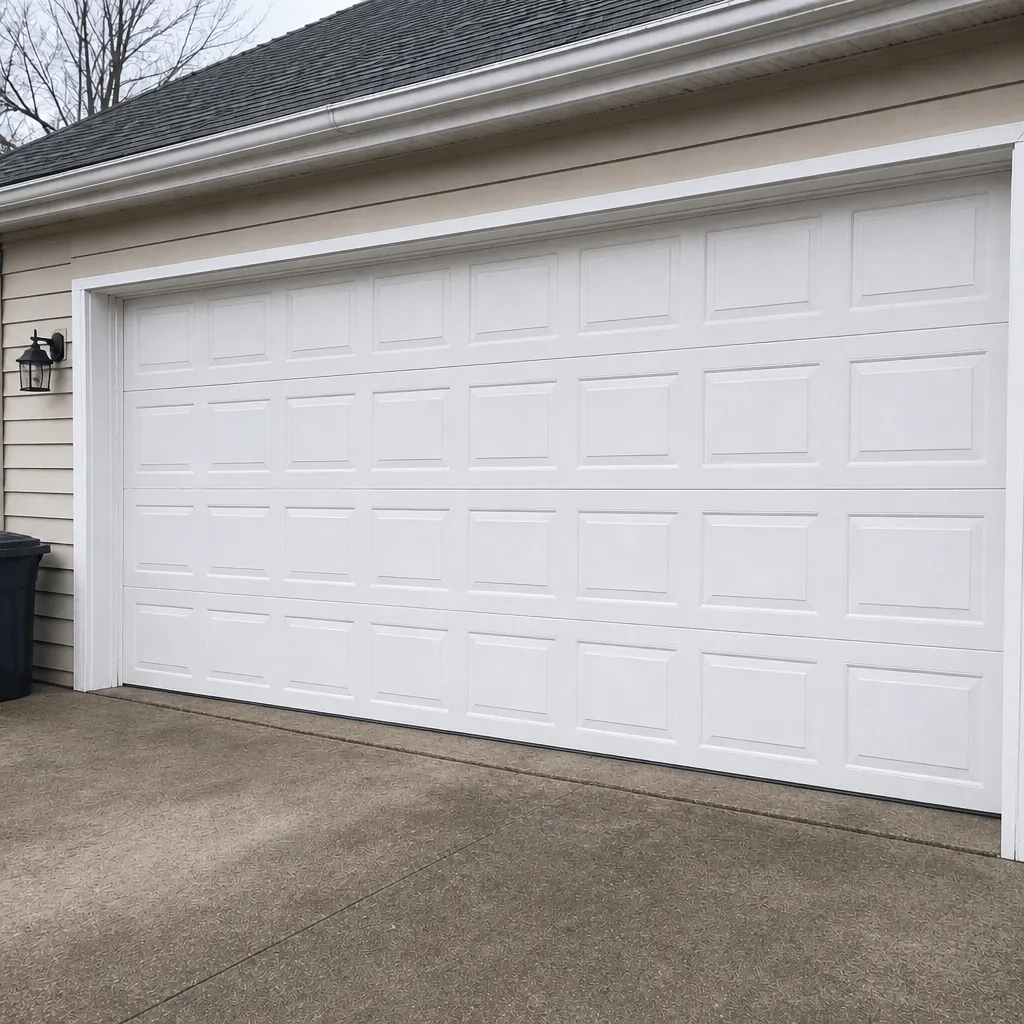
See the difference
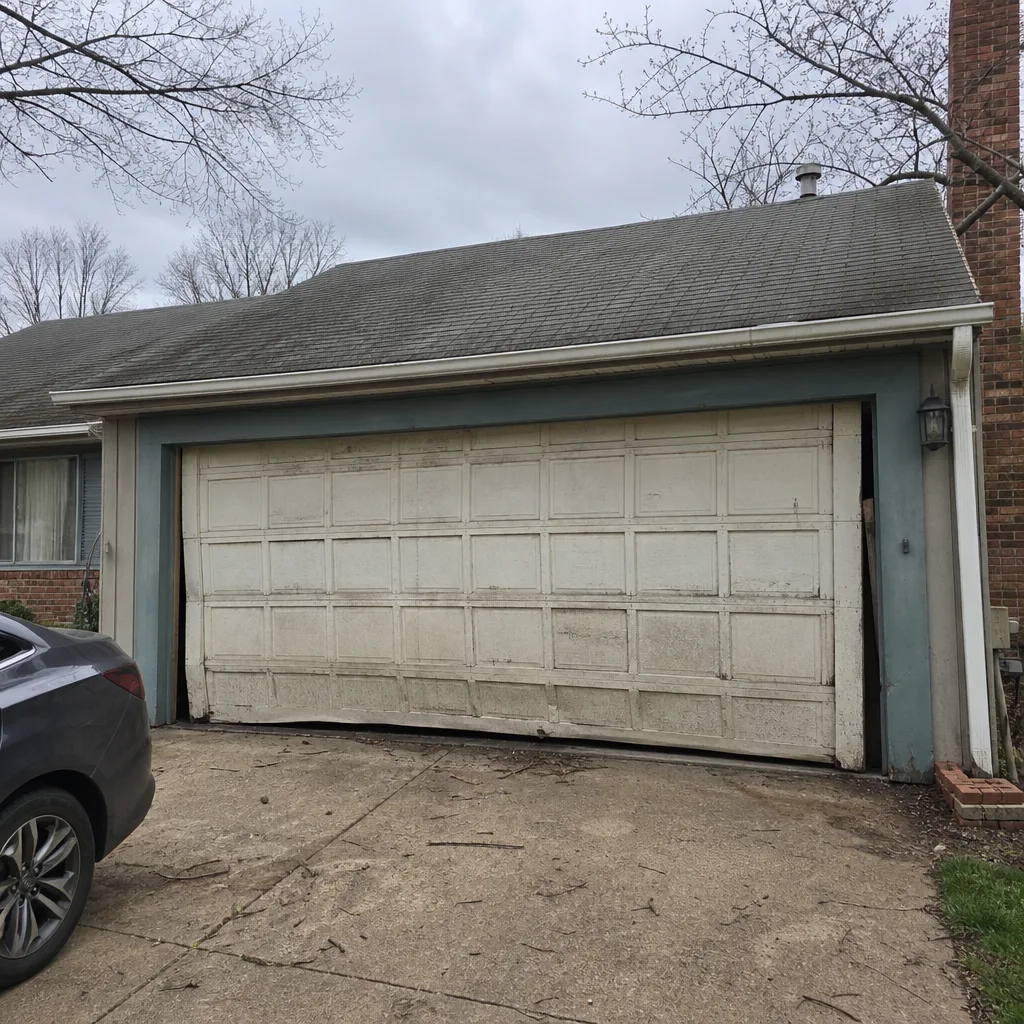 Before
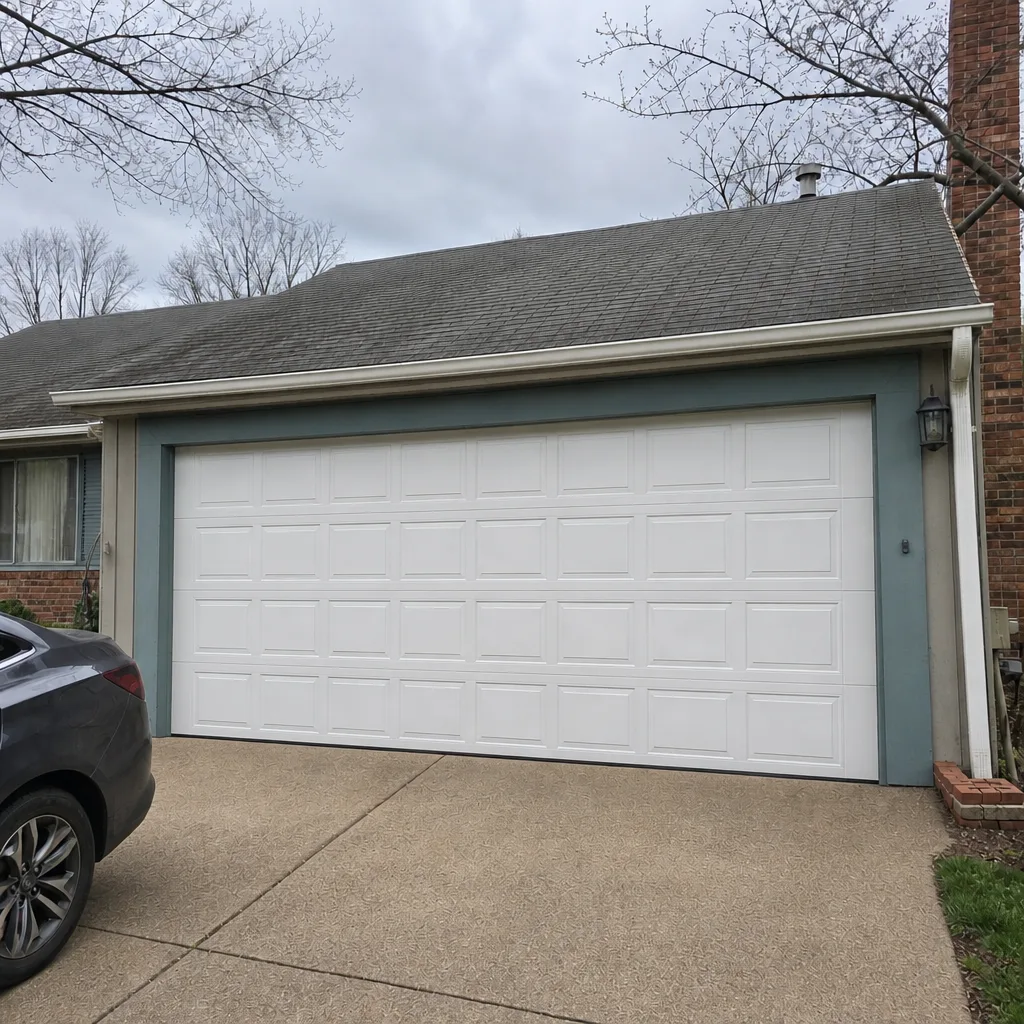 After
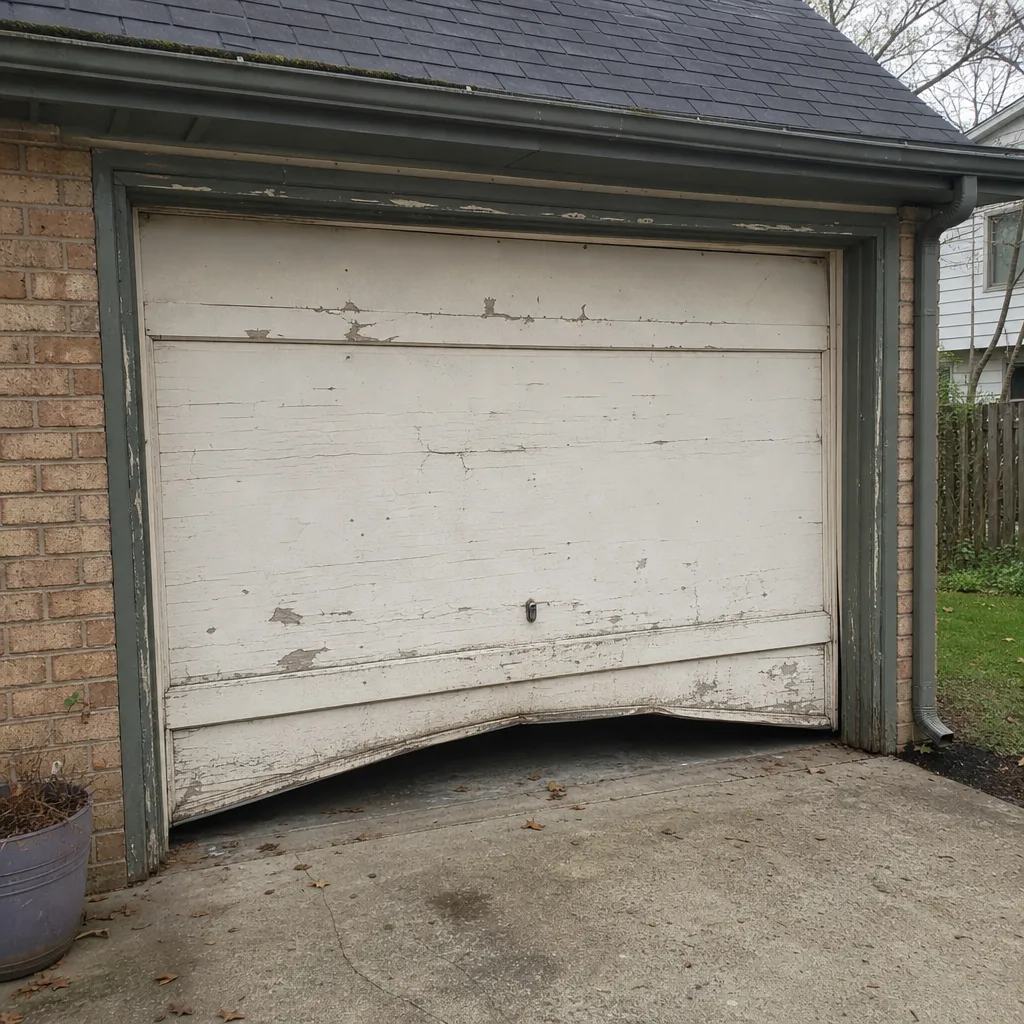 Before
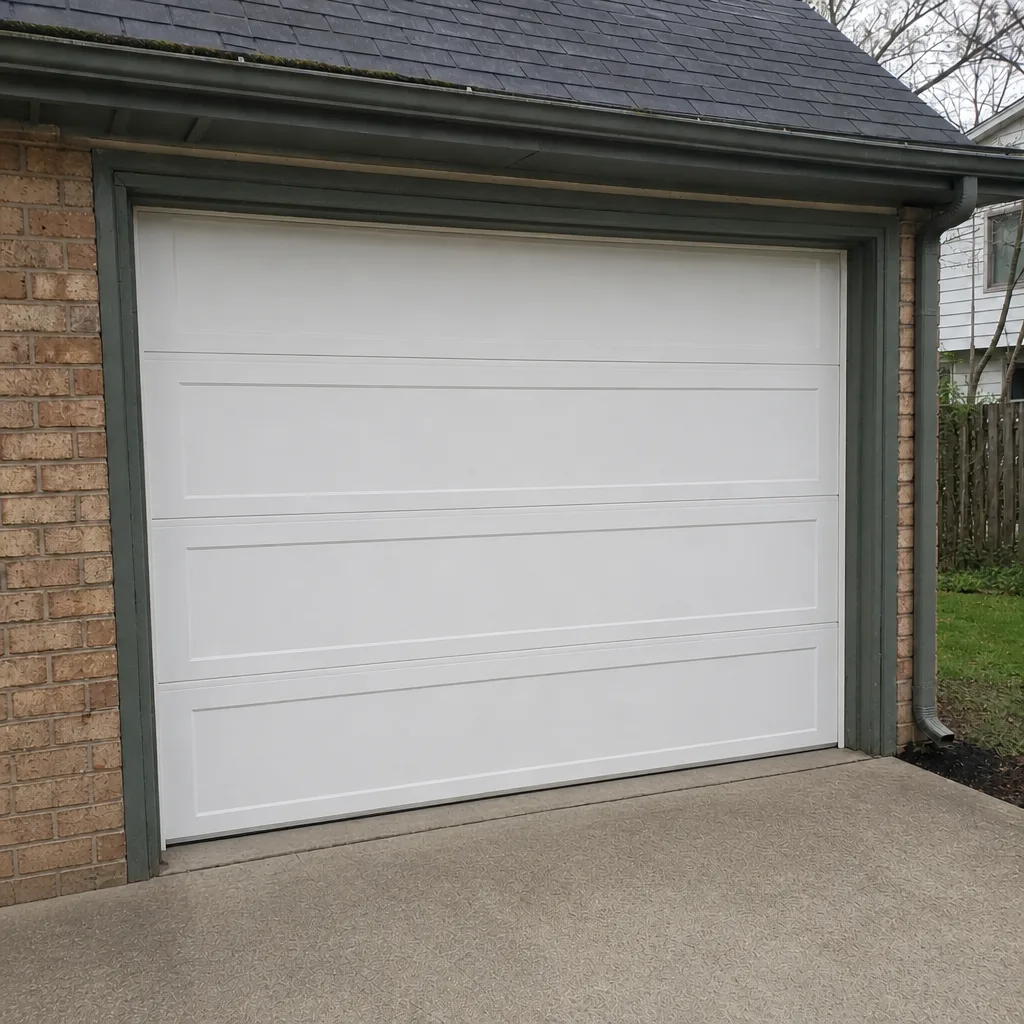 After
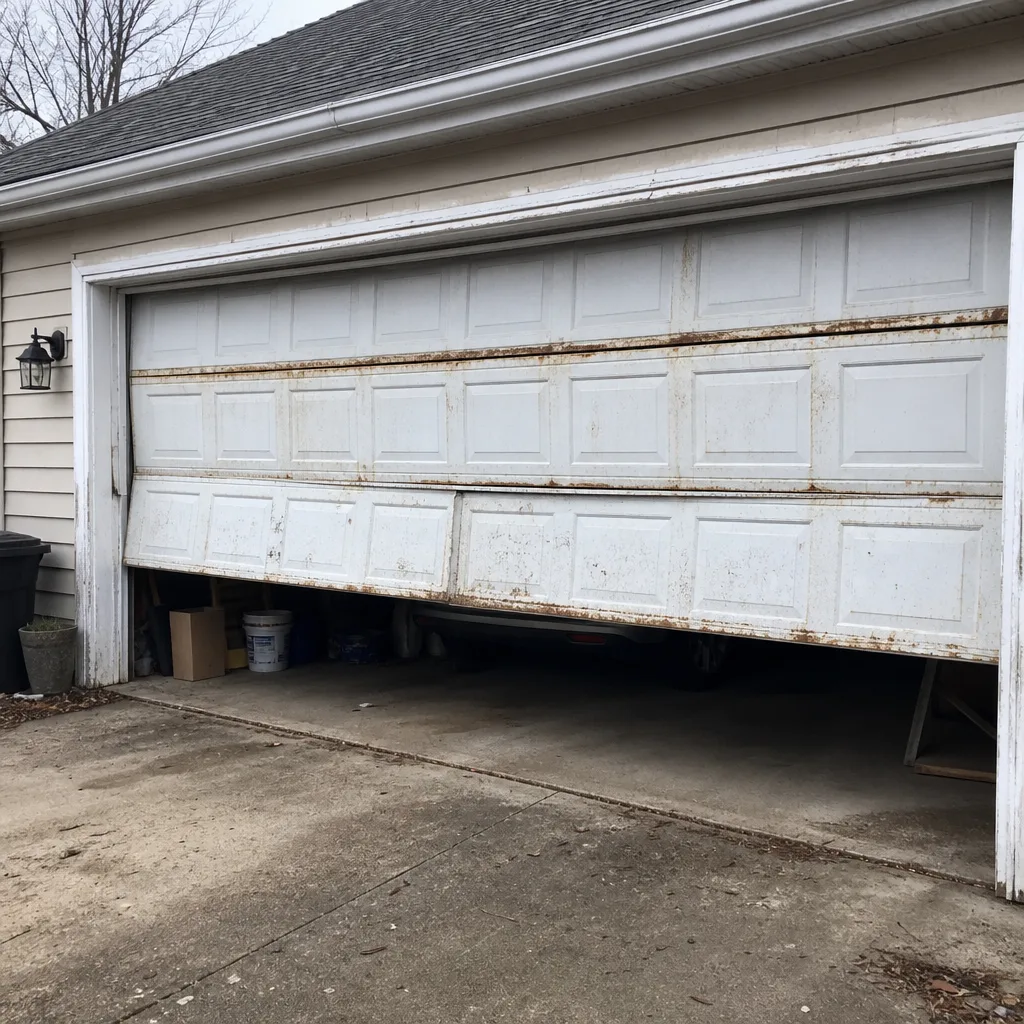 Before
 After
Common Mistakes to Avoid
- Inspecting your own springs. Springs are the most dangerous component in the system. Two sentences into a DIY inspection is far enough. Call a professional instead, every time, without exception.
- Waiting until a spring breaks to have one inspected. A spring inspection in March is a cheap, quick job. A spring replacement in December, when the door is stuck, is not. Do the check before the season that stresses them.
- Ignoring the bottom seal until it tears. In a freeze-thaw climate, the bottom seal is doing real work. Replacing it before winter is cheaper than replacing it after a freeze-to-floor incident.
- Using heavy grease on cold-weather hardware. Grease thickens in the cold and makes hardware stiffer, not looser. Use a light, cold-tolerant lubricant.
- Treating composite door seam separation as cosmetic. A visible seam is a sign the panel structure is opening up. Have it looked at before the next humidity cycle makes it worse.
- Replacing rollers one at a time as they fail. Worn rollers in a set wear at the same rate. Replacing them together costs less than chasing them one by one over a year.
- Forcing a frozen door. Never force a garage door open after a freeze. Call a professional. Forcing it can tear the seal, bend the bottom section, and strain the opener.
When to Call a Professional
Call a professional for any of the following: a spring that’s broken or visibly separated, a cable that’s frayed or popped, a door that’s become unbalanced, a frozen bottom seal you can’t free, a panel that has visibly moved or separated, or an opener that strains or jerks. If a failure has left you without access to your garage or without secure closure, that’s emergency service and we treat it as such. If your door won’t open or close, we come now.
Alexandria Garage Door Repair Pros is a garage door specialist: repair, openers, springs, installation, and emergency response all live in one trade, so the technician who arrives is a garage door specialist, not a generalist. We offer free estimates in Alexandria, and we quote and agree the price before any work starts. Our technicians have up to 12 years of experience. Call (877) 379-9603 for a free estimate.
Frequently Asked Questions
Once a year is a good baseline, timed to the season that stresses your door most: spring for spring and cable inspection if you only do one visit, or fall for pre-winter prep if you’d rather prevent cold-weather failures. Roller inspection is the exception: check them every season, since they wear fastest.
March, not January. The coldest days test the door, but March is when a full winter of freeze-thaw cycling shows its results: cables that have frayed, seals that have stiffened and cracked, and springs that have lost tension. The transitions between seasons are harder on doors than the extremes.
For repairs, in most cases yes. Emergency service is a core part of what we do, not an upsell, and we handle same-day repair for most Alexandria calls. Call (877) 379-9603 and we’ll tell you what to expect.
It depends on the component and the door. The estimate is free, and the price is quoted and agreed before any work starts, so there are no surprises on the invoice. Call (877) 379-9603 for an exact quote.
No. The written estimate is the price. If we discover something during the visit that changes the scope of the work, we tell you before we touch it and you approve the change first. Nothing gets done that you haven’t agreed to.
The local professional we connect you with is licensed and insured as their state requires. Our technicians have up to 12 years of experience, and every technician we send on a job is a garage door specialist by trade, not a generalist rotating between home repair categories.
The Bottom Line
Garage door care in Alexandria is a seasonal cycle, and the cycle is driven by transitions, not extremes. Spring is for spring and cable inspection, after the winter that stressed them. Summer is for watching wood and composite panels through the humidity swings. Fall is for the prep sequence that prevents winter failures: weatherstripping, bottom seal, track alignment, lubrication, and a spring check. Winter is for freeze-to-floor awareness and the right bottom seal material. And rollers need a look every season, no exceptions. Spring work is professional work: never inspect a spring yourself. For everything else, call (877) 379-9603 for a free estimate from Alexandria Garage Door Repair Pros, and get the right fix for your specific door before the next transition catches you off guard.
Written by the team at Alexandria Garage Door Repair Pros.