Last updated November 22, 2026
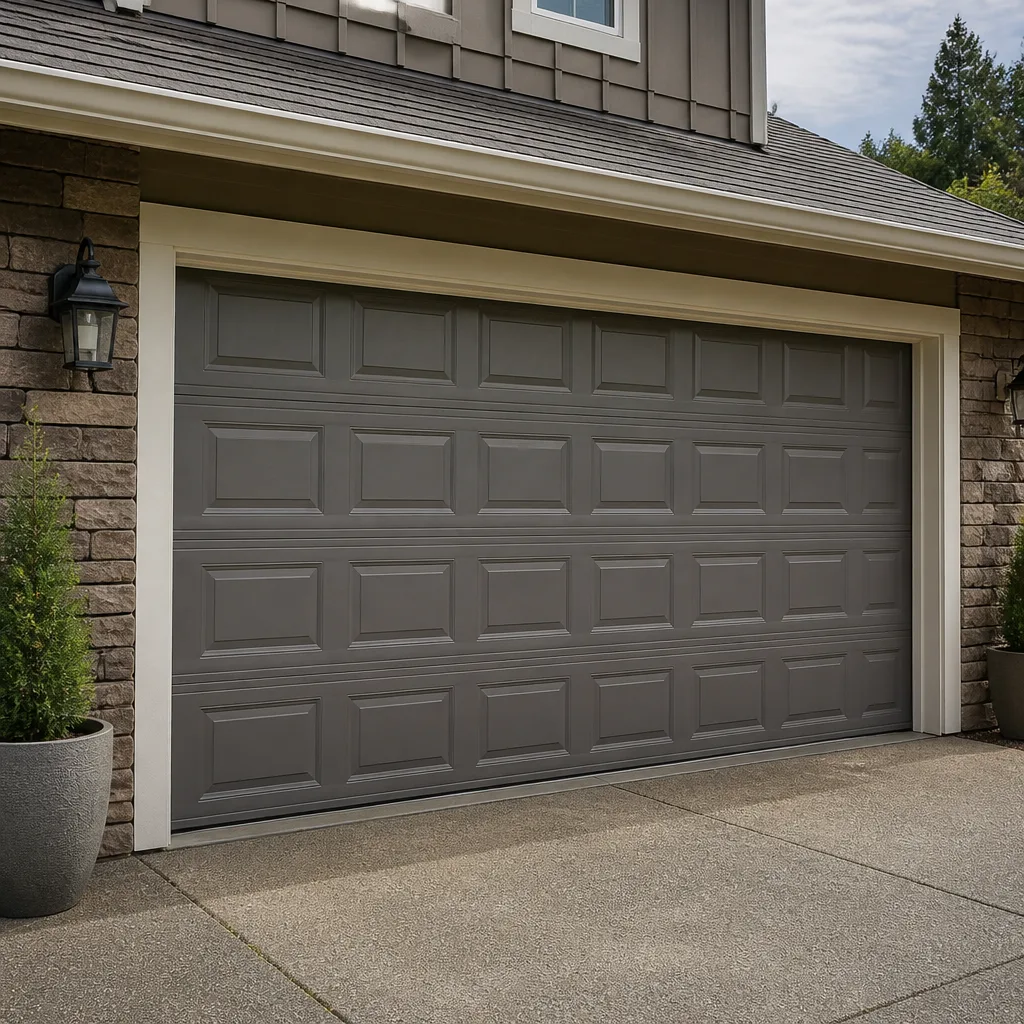 Raised-panel steel
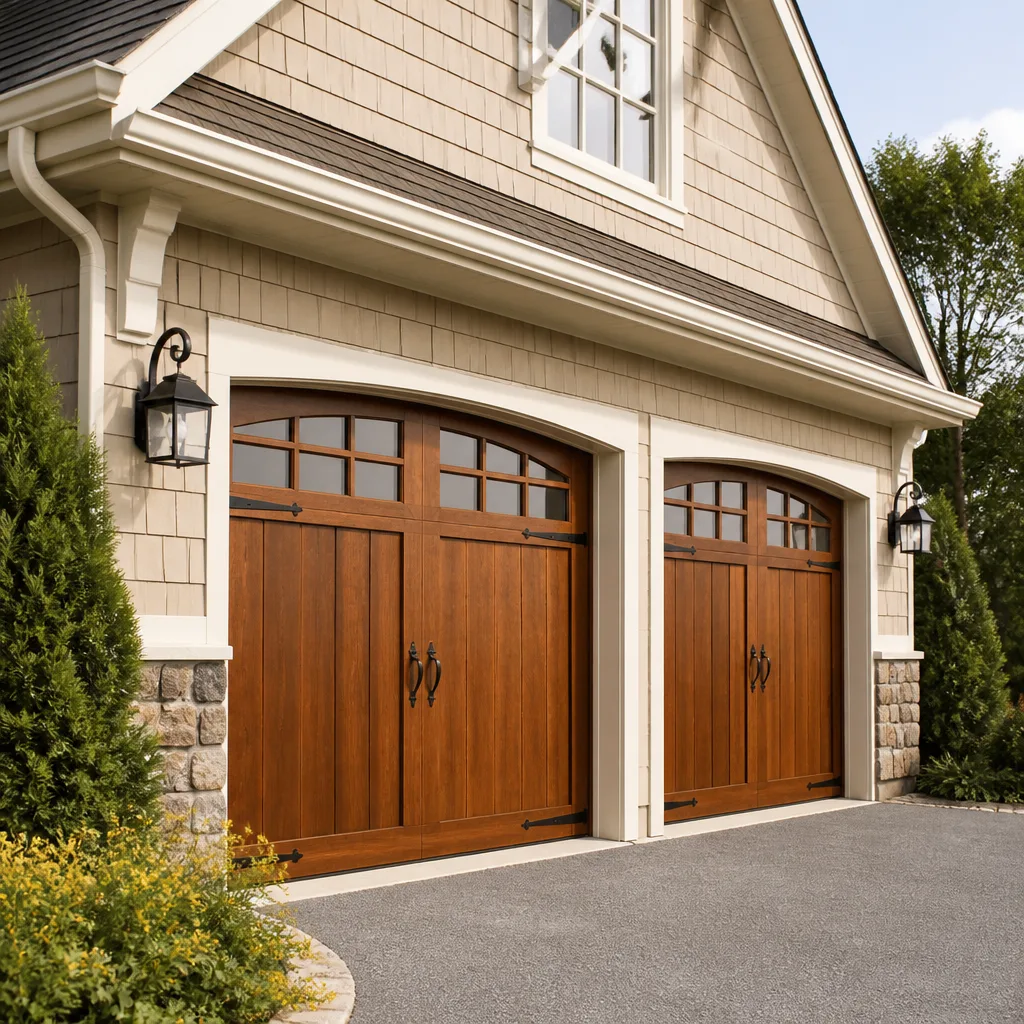 Carriage house
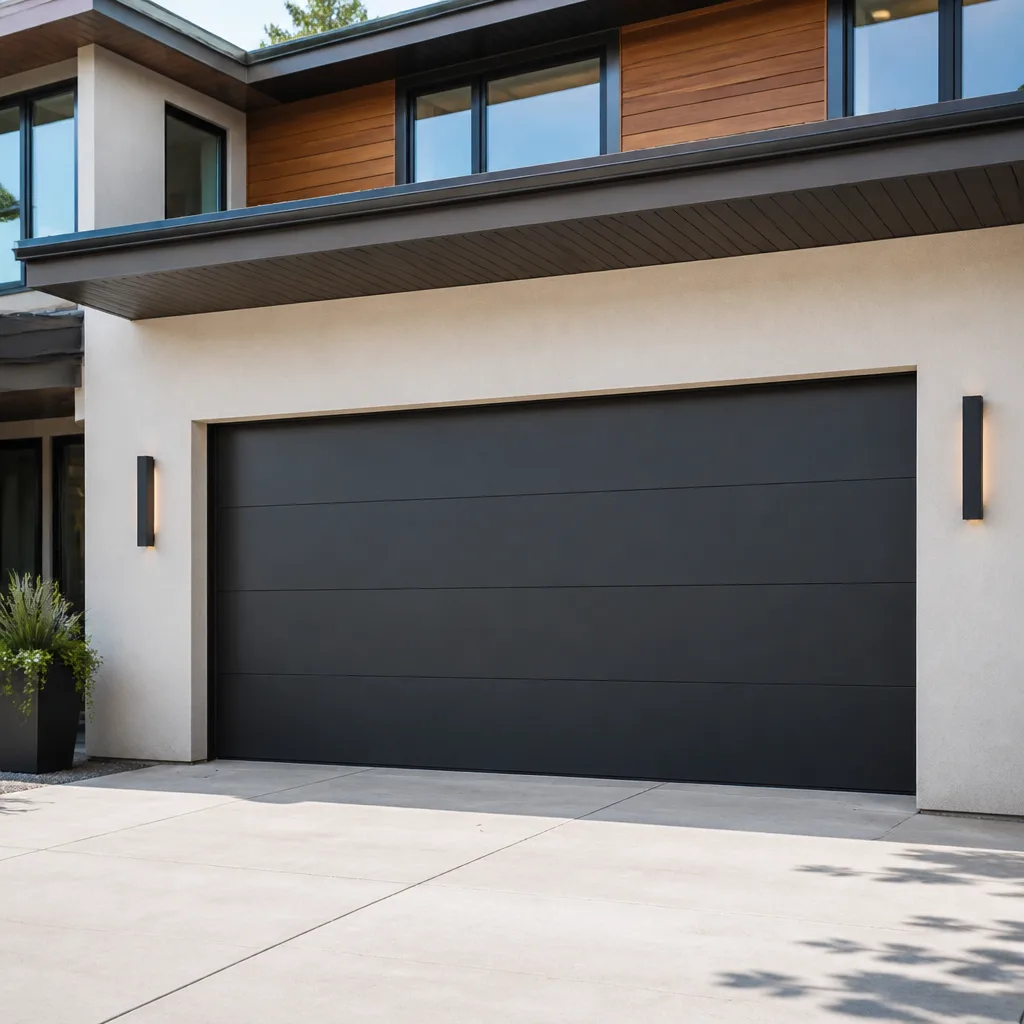 Modern flush
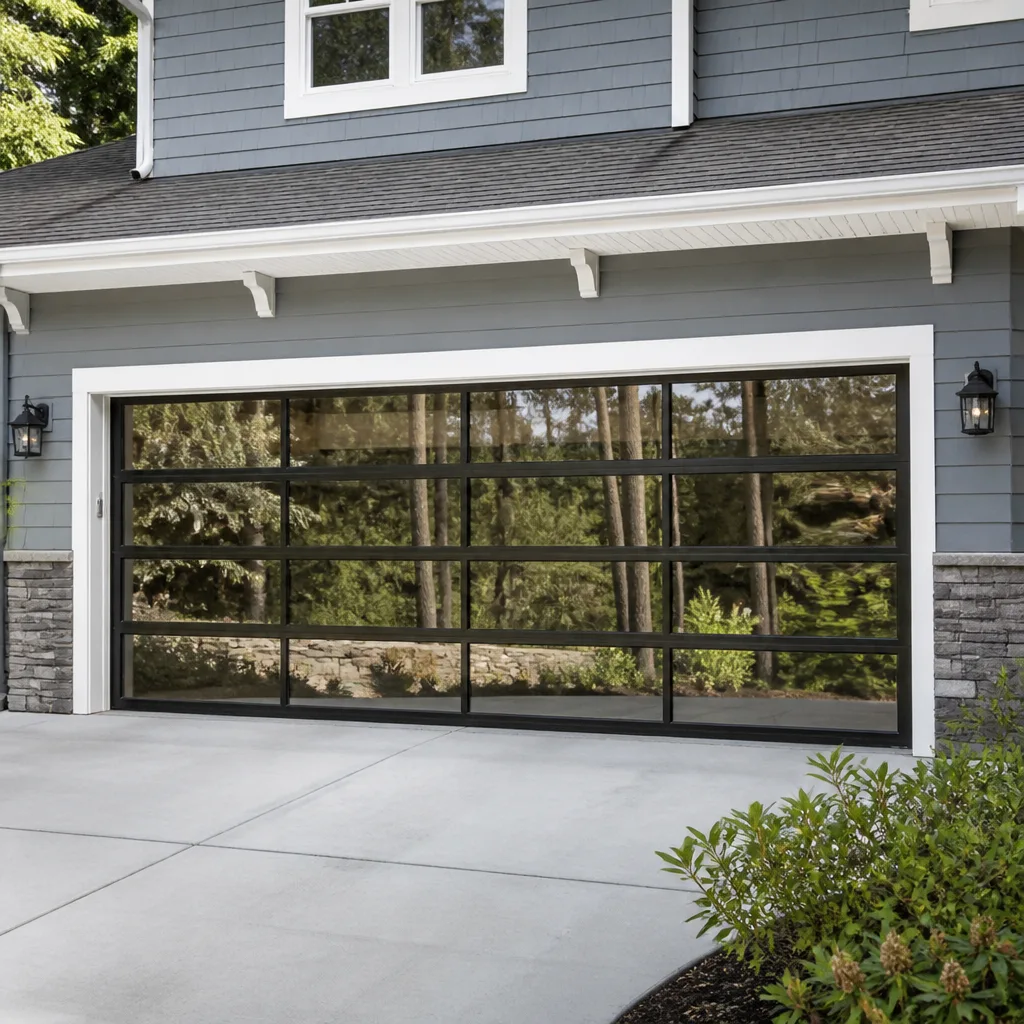 Full-view glass
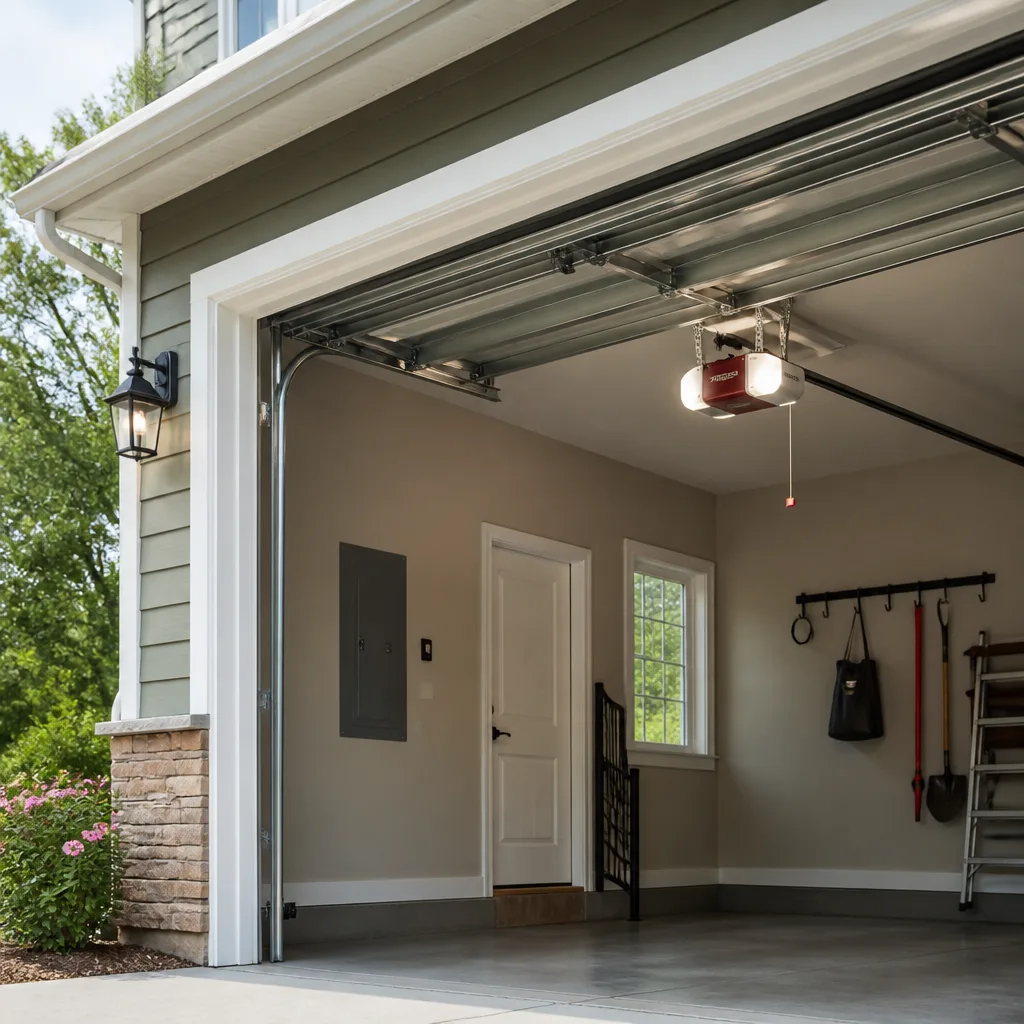 LiftMaster openers
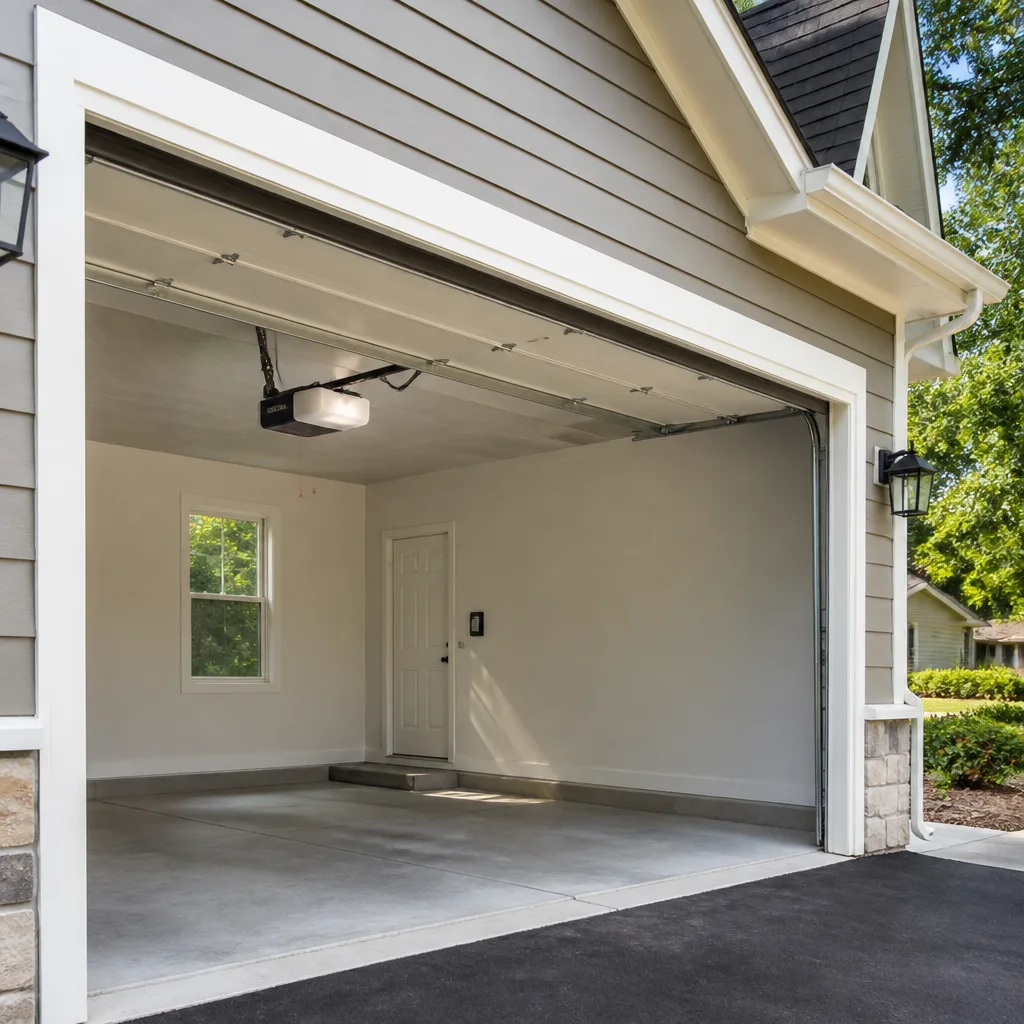 Chamberlain openers
Full 25-point door and opener safety check with every visit - springs, cables, rollers, tracks, and your LiftMaster or Chamberlain opener included
You get a price before we start. It does not change when the pro arrives.
Get your free estimateGarage Door Permits, Codes & Inspections in Alexandria, VA: What You Need to Know
Most Alexandria homeowners assume that replacing a garage door is a permit-free job. Usually they’re right – and that’s exactly why the exceptions catch people off guard. New wiring in a detached garage, a door on a structure inside a historic overlay, or a replacement that quietly hides a rotten header can all pull a routine swap into permit territory. Unpermitted electrical work in a detached garage is one of the most common items that surfaces during a home sale inspection, and by then it’s the seller’s problem. This guide walks through where the City of Alexandria actually draws the line, how the historic districts add a layer standard permit advice ignores, what the Virginia code says about header spans and fire separation, and how to run HOA approval alongside a permit application so nothing stalls.
Quick Answer
In the City of Alexandria, swapping a like-for-like residential garage door on an attached garage is typically treated as routine replacement and does not require a building permit. You likely do need one when the work touches the structural header above the opening, adds or alters electrical for a new opener, involves a detached garage, or falls inside a historic overlay district where Architectural Review Board (ARB) approval is a separate step. When in doubt, call the city’s building department before you order the door – it costs nothing and prevents the kind of paperwork problem that only shows up at resale.
Styles & brands we work with
- Raised-panel steel
- Carriage house
- Modern flush
- Full-view glass
- LiftMaster openers
- Chamberlain openers
Table of Contents
- When does Alexandria require a permit for garage door work?
- Historic districts: how Old Town and Parker-Gray add an ARB layer
- What Virginia’s residential code says about headers and fire separation
- Electrical work and openers: the detached garage trap
- HOA approval in Alexandria: running it parallel to the permit
- Grandfather clauses and non-conforming doors in older homes
- What an inspection actually looks at – and what it doesn’t
- Step-by-step: a compliant garage door project from start to finish
When Does Alexandria Require a Permit for Garage Door Work?
The dividing line is whether the work is a replacement of a component or a change to the structure. That single distinction determines whether you’re buying a door and calling an installer, or filing paperwork with the City of Alexandria first. Most Alexandria garage door projects fall on the simple side. The ones that don’t are worth understanding before you commit to a purchase.
Here’s how the categories usually break down:
- Routine replacement, same opening, same size. A new door in an existing, undamaged opening on an attached garage – typically no permit. This is the everyday case, and it’s why so many homeowners have never thought about permits at all.
- Header repair or replacement. If the framing above the opening is being cut, sistered, replaced or reinforced, you’re into structural work. That almost always requires a permit and inspection, because the header carries load from the wall above the opening.
- New electrical or a new circuit. A new opener that needs a dedicated circuit, a new outlet in a detached garage, or any modification to existing wiring is electrical work. Most jurisdictions require a permit for it, and Alexandria is no exception where new circuits or outlets are added.
- Detached garages. Detached structures get closer scrutiny than attached ones, especially where power is involved. Unpermitted electrical in a detached garage is a frequent finding in sale inspections because it’s easy to add and easy to forget.
- Historic overlay districts. Even work that’s otherwise routine can require design review when the property sits inside an overlay. More on that below.
- Enlarging or relocating the opening. Cutting a wider opening or moving it is structural and always goes through permitting.
One practical note for Alexandria homeowners: the city’s building department will answer a scope question over the phone or at the counter. Ask specifically whether your job is classified as replacement or alteration, and get the answer before the door is ordered. A door that’s been manufactured to the wrong spec is expensive to return.
Historic Districts: How Old Town and Parker-Gray Add an ARB Layer
If your property sits within Old Town Alexandria or the Parker-Gray historic district, permit guidance written for the rest of the country will miss a step entirely. In these areas, exterior changes – including the appearance of a garage door visible from the street – can require review by the city’s Architectural Review Board (ARB). That’s a separate process from a building permit, with its own application, its own meeting schedule, and its own design standards. Standard “is a garage door permit required” articles skip it because it doesn’t exist in most places.
The ARB layer matters most when the door is visible from a public right of way. A door facing an alley in Parker-Gray is treated differently from one tucked behind a house on a lot where it can’t be seen from the street. The design review is about appearance and compatibility, not structural soundness, so the two reviews can run at the same time.
What review boards in historic districts typically care about:
- Material. A steel or aluminum door that reads as a modern sectional can be a harder sell than one that resembles traditional wood carriage construction.
- Panel style. Raised-panel and carriage-house profiles tend to fit the surrounding streetscape better than flat or full-view glass panels.
- Color. Doors are usually expected to relate to the house and the block, not stand out from it.
- Window treatment. Glazing, muntin patterns and the proportion of glass to panel all come up.
This is where product knowledge saves time. A manufacturer like Clopay or Amarr offers door lines in profiles that already resemble traditional carriage styles, so you can often satisfy a review board with an off-the-shelf product rather than a custom build. In our experience, homeowners who bring a spec sheet, a photo of the proposed door and a rendering of it on the house get through review with far fewer rounds. If you’re weighing styles for an Old Town or Parker-Gray property, start with garage door installation so the design question and the permit question get solved together instead of in sequence.
What Virginia’s Residential Code Says About Headers and Fire Separation
Virginia adopts the International Residential Code with state amendments, and two provisions of that code affect garage doors more than any others: header spans and fire separation. Neither is about the door itself. Both are about the opening the door sits in, and both are why replacing a door without checking the structure behind it can create a code problem that didn’t exist before.
Header spans. The header is the horizontal framing member spanning the top of the garage opening. It carries the load of the wall above it. The code sets maximum spans based on the size and species of the lumber and the load it carries. When a header has been notched, drilled, sagged or rotted, it may no longer meet the span requirements for its span and load – and no amount of door adjustment will fix a square-looking door in an out-of-square opening. In older Alexandria homes, headers are frequently undersized by modern standards or have been modified at some point by a previous owner. A replacement door is heavier than many older doors, and the load path doesn’t care how good the new door looks.
Fire separation. Where a garage is attached to a house, the code requires a separation between the garage and the living space – typically a minimum thickness of gypsum board on the shared wall and often on the ceiling, depending on what’s above the garage. The details matter less than the principle: the garage is a fire risk, and the house needs a barrier. This is why an inspector looking at a garage door replacement will sometimes flag the wall or ceiling immediately adjacent to the opening if the separation has been broken by an addition, a new outlet or a hole cut for a light fixture.
What this means in practice for Alexandria homeowners:
- Before ordering a door, have the opening measured and the header inspected for sag, rot and previous modification.
- If the header needs work, treat it as a structural project and plan for a permit and inspection.
- If you’re adding outlets, lights or a new opener circuit, check the fire separation on the shared wall at the same time.
- Keep all paperwork with the house records so a future buyer’s inspector can see what was done and when.
The underlying point: a garage door is only as good as the opening it hangs in. We diagnose the system, not just the symptom – which is why our garage door repair visits start with the opening and the hardware, not the door skin.
Electrical Work and Openers: The Detached Garage Trap
If your opener installation requires new electrical work in the City of Alexandria, you’re in permit territory. This catches people out because the opener itself is a plug-in appliance in most cases – but the outlet it plugs into, and the circuit feeding that outlet, are electrical work. In an attached garage with an existing receptacle in the right place, a new opener is usually a swap. In a detached garage with no power, or with a run of extension cord strung from the house, it’s a different job entirely.
Detached garages are the trap for two reasons. First, they’re often older than the house’s current electrical system, which means any addition is a modification to an existing circuit that may not have been updated. Second, work in a detached structure is invisible from the house, so it tends to go unrecorded. When the house sells, an inspector who finds a receptacle in a detached garage with no evidence of a permit will ask for documentation the seller usually doesn’t have.
What a clean electrical scope for an opener looks like in Alexandria:
- A dedicated circuit or a properly calculated addition to an existing one. Openers draw a surge at start-up, and sharing a circuit with a freezer or a shop tool can cause nuisance trips.
- Receptacles in the right place. The opener’s cord needs to reach without an extension cord, and ceiling receptacles are common in newer installs.
- GFCI protection where the code requires it. Garage receptacles fall under specific rules that have tightened over the code cycles.
- Safe routing. Cable secured and protected, not run loose across the ceiling joists.
We don’t do electrical work and we don’t pretend to – our trade is garage doors, openers and springs, and we stay inside it. What we can do is tell you at the estimate stage whether your opener project needs an electrician first, so the sequence is right. If your opener has failed and the wiring is already sound, our garage door opener repair service handles the mechanical and electronic side across LiftMaster, Chamberlain, Genie and Craftsman units. If you’re starting from a garage with no power at all, plan the electrical permit and the door order as two tracks running in parallel.
HOA Approval in Alexandria: Running It Parallel to the Permit
Many Alexandria communities have an HOA or architectural control committee with its own approval process, and the single biggest cause of delay is running it after the permit instead of alongside it. The two reviews ask different questions and neither one can approve on the other’s behalf, so there’s no reason to serialize them. Homeowners who treat HOA approval as an afterthought often end up with a permit in hand and a door still sitting in a warehouse.
Here’s how to run both tracks at once:
- Ask the HOA for its design guidelines and application form on day one. Most have a written standard covering door style, color, material and whether the door is visible from the street.
- Confirm with the city whether a building permit and/or ARB review applies. One phone call settles it.
- Choose the door spec before either application goes in. Both reviews want the same basic information – manufacturer, model, color, panel style – so a single spec sheet serves both.
- Submit both applications in the same week. The HOA review and the city review are independent; a fast answer from one doesn’t speed up the other, but a slow one doesn’t hold the other back either.
- Keep a copy of every approval with the house records. This is what a future buyer’s inspector will want to see, and it’s what protects your resale.
Two practical notes for Alexandria. First, HOA meeting schedules are often monthly, which means a missed deadline can cost four weeks – so submitting early matters more than submitting perfectly. Second, an HOA’s approval does not override a historic district’s design review. If you’re in Old Town or Parker-Gray and your community also has design standards, you may need both. Ask each body explicitly whether the other’s approval is required.
Grandfather Clauses and Non-Conforming Doors in Older Homes
A grandfather clause protects a non-conforming feature that already exists – it does not protect a new one you install. This is the part of the code conversation Alexandria homeowners most often get wrong. A door that was built before current standards applied can usually stay as it is. The moment you replace it, you’re typically required to bring the replacement into compliance with today’s rules for the aspects being replaced. The protection doesn’t transfer to the new work.
What that means in practice depends on what’s being replaced:
- Replacing the door itself. The new door should meet current requirements for its assembly, including safety features like the reversing mechanism on any opener connected to it.
- Replacing the opening or the structure around it. Once you touch the header or framing, you’re usually required to build the new work to current standards, not the older ones.
- Increasing the extent of non-conformity. Making a non-conforming situation worse – a wider opening, a larger door, a taller structure – typically isn’t protected at all.
- Historic districts. Even where a grandfather clause would otherwise apply, historic district design review still runs its own analysis of what fits the streetscape.
Older Alexandria homes often sit in a gray area here, and that’s where a pre-project inspection pays for itself. If the existing opening is non-conforming in some way, the question is which aspects of the replacement trigger an upgrade requirement and which don’t. That’s a building department question, not an installer’s guess. Ask it before you buy the door, not after. We’d rather tell you honestly that a job needs a permit and a review than sell you a door that has to be uninstalled later.
What an Inspection Actually Looks At – and What It Doesn’t
A garage door inspection under a building permit is not the same thing as a garage door service call, and understanding the difference keeps expectations realistic. The permit inspection checks the work that was permitted against the code requirements for that work. It is not a general condition report on your door, opener or springs. A passed framing inspection tells you the header meets its span requirements; it tells you nothing about whether your torsion springs are near the end of their service life.
What a permit-related inspection typically covers:
- Structural work. Header size, species, span and connections if the framing was part of the permit scope.
- Fire separation. The barrier between an attached garage and the living space, where the work touched it or where it was part of the scope.
- Electrical. The circuit, receptacle placement, protection and grounding for any wiring done under the permit.
- Attachment and operation. That the door and opener are properly secured and that the safety reversing features function, where the inspector includes it in the scope.
What it doesn’t cover:
- Spring condition. Torsion and extension springs are a separate service item, and they’re the number one cause of garage door injuries because they store enormous energy and fail suddenly. A spring that’s about to break looks fine until it does. We check springs at every service visit regardless of permit status.
- Roller, hinge and cable wear. Consumable hardware isn’t part of a permit inspection.
- Door balance or opener force settings. These are operational adjustments, and a permit inspector isn’t there to tune them.
If you’re concerned about the condition of a door rather than the paperwork on it, that’s a service call, not a permit question. When your door won’t open or close, we come now – and an emergency visit will tell you far more about the door’s actual condition than any inspection report will. To book a diagnostic visit on an Alexandria home, call (877) 379-9603.
Step-by-Step: A Compliant Garage Door Project From Start to Finish
Here’s the sequence we recommend for any Alexandria garage door project where permit questions might apply. The order matters because each step informs the next, and skipping ahead is what creates the expensive redos.
- Measure the opening and inspect the header. A door can’t be ordered until the opening is measured, and the header needs a look for sag, rot and previous modification before anyone commits to a replacement.
- Call the City of Alexandria building department. Describe the scope in plain language. Ask whether it’s a replacement or an alteration, and whether a building permit applies. If the property is in a historic overlay, ask about ARB review in the same call.
- Submit the HOA application if one applies. Pull the community’s design guidelines and get the application in early – don’t wait for the city’s answer.
- Resolve any electrical scope. If new outlets or a new circuit are needed, that’s a licensed electrician and, in most cases, a separate permit. Do this before the opener is installed, not after.
- Order the door and the opener after approvals. Once you know the opening size, the design constraints and the electrical scope, you can commit to a product spec. This is where brand familiarity pays off – we work on the brand already in your garage and know which Clopay, Amarr, Wayne Dalton or Craftsman models fit a given opening and design brief.
- Install, then inspect. If a permit was pulled, schedule the inspection after the work is complete. Keep the signed-off permit with the house records.
- Record everything. Photos, spec sheets, approvals, inspection sign-offs – a single folder that answers every question a future buyer’s inspector might ask.
The whole process runs more smoothly than it sounds, especially when the permit and HOA questions get answered early. In our experience on Alexandria jobs, the projects that stall are almost always the ones where a door was ordered before the opening was measured or before the review question was settled.
Common Mistakes to Avoid
- Assuming all door replacements are permit-free. Most are, on an attached garage with a healthy opening and no new wiring. The exceptions – structural work, electrical, detached structures, historic overlays – are the ones that create problems, and they’re the reason to ask the question instead of assuming the answer.
- Ordering the door before checking the header. An older Alexandria opening can look square and measure wrong, and the new door won’t fit or won’t operate smoothly until the structure is rectified. Check the header first.
- Missing the historic overlay question. In Old Town and Parker-Gray, the ARB review is a separate step from a building permit, and failing to ask about it can put a compliant installation on hold after the fact.
- Running HOA approval after the permit. The two reviews are independent. Running them in parallel saves weeks, and serializing them buys you nothing.
- Forgetting that a grandfather clause doesn’t cover new work. A non-conforming door can usually stay; a replacement generally has to meet current standards for the aspects being replaced. Assuming otherwise is how code problems get created.
- Adding electrical in a detached garage without a permit. This is one of the most common items to surface at a home sale inspection, and it’s simple to avoid if the wiring is done under a permit at the time.
- Skipping the spring check because the permit passed. A passed inspection tells you the permitted work is compliant. It says nothing about the springs, and springs are the part of the system most likely to injure someone when they fail.
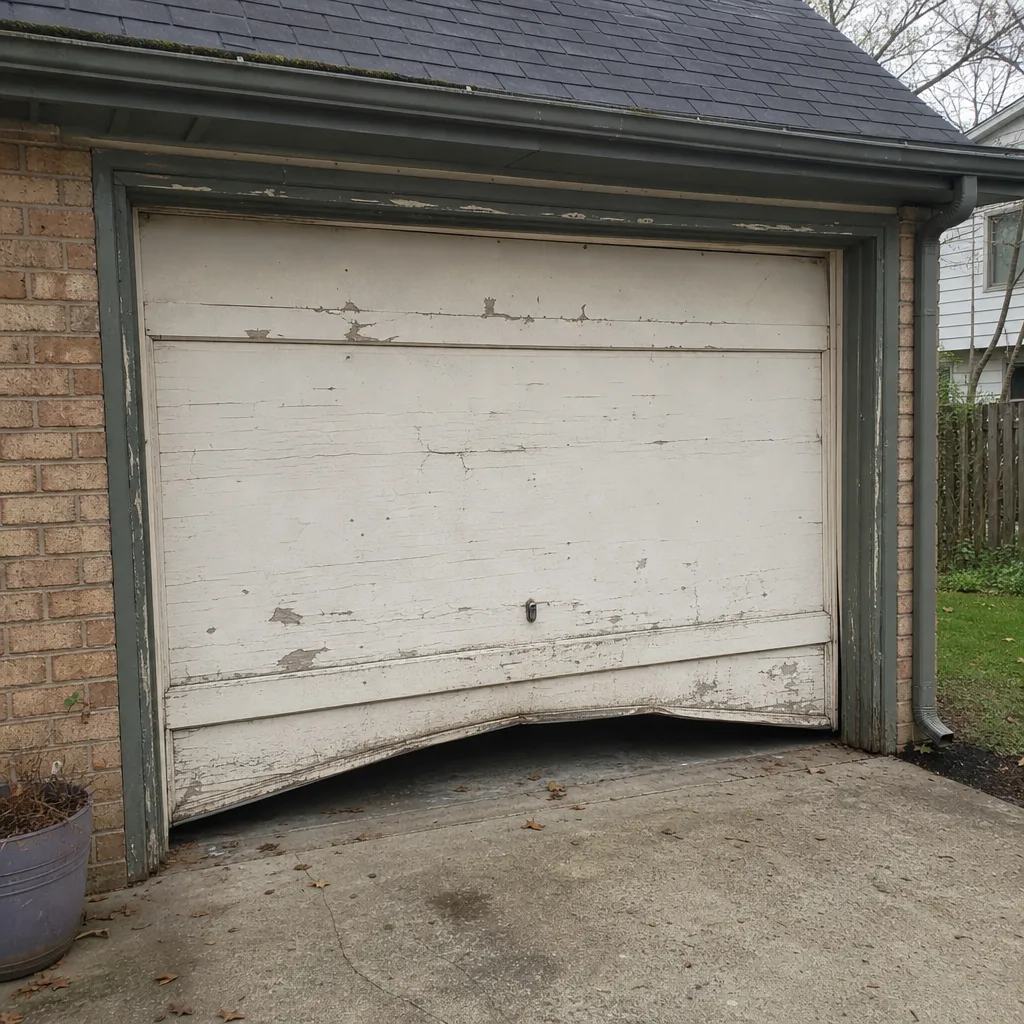
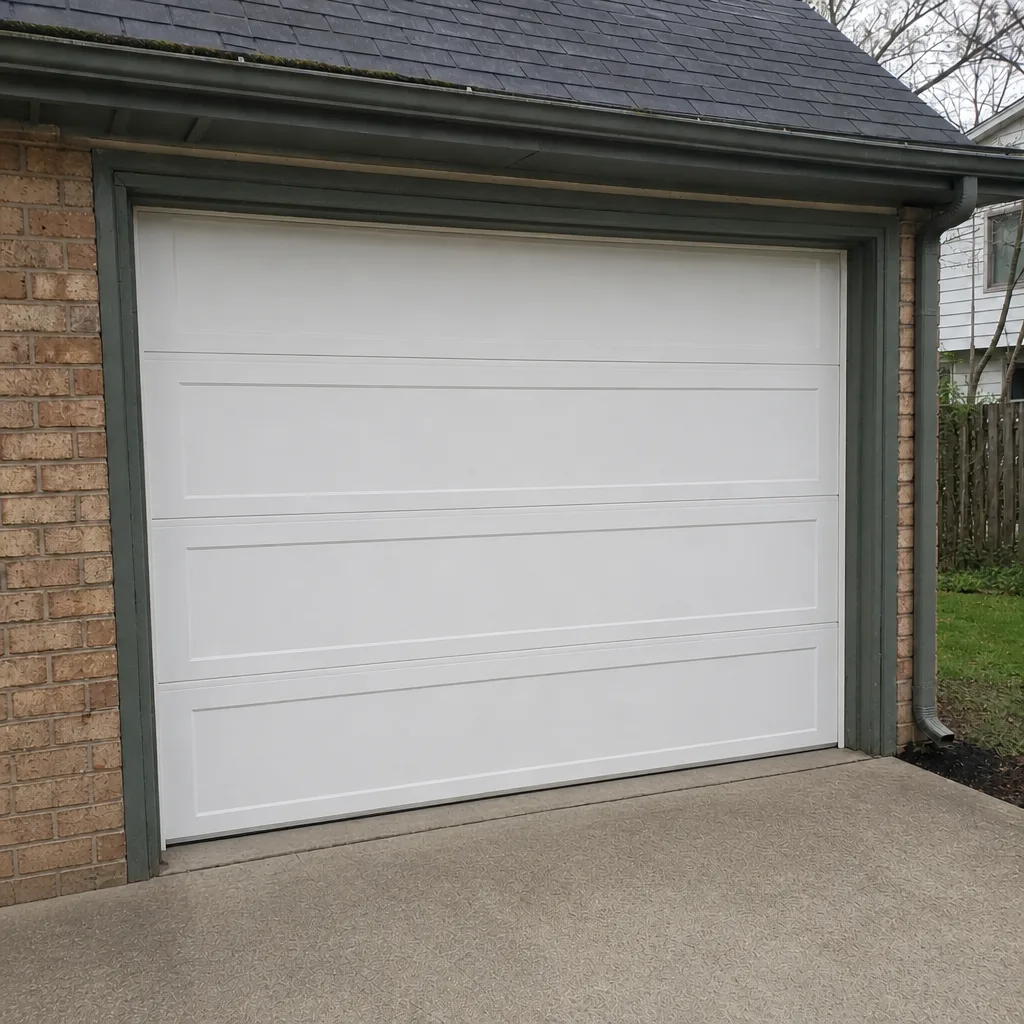
See the difference
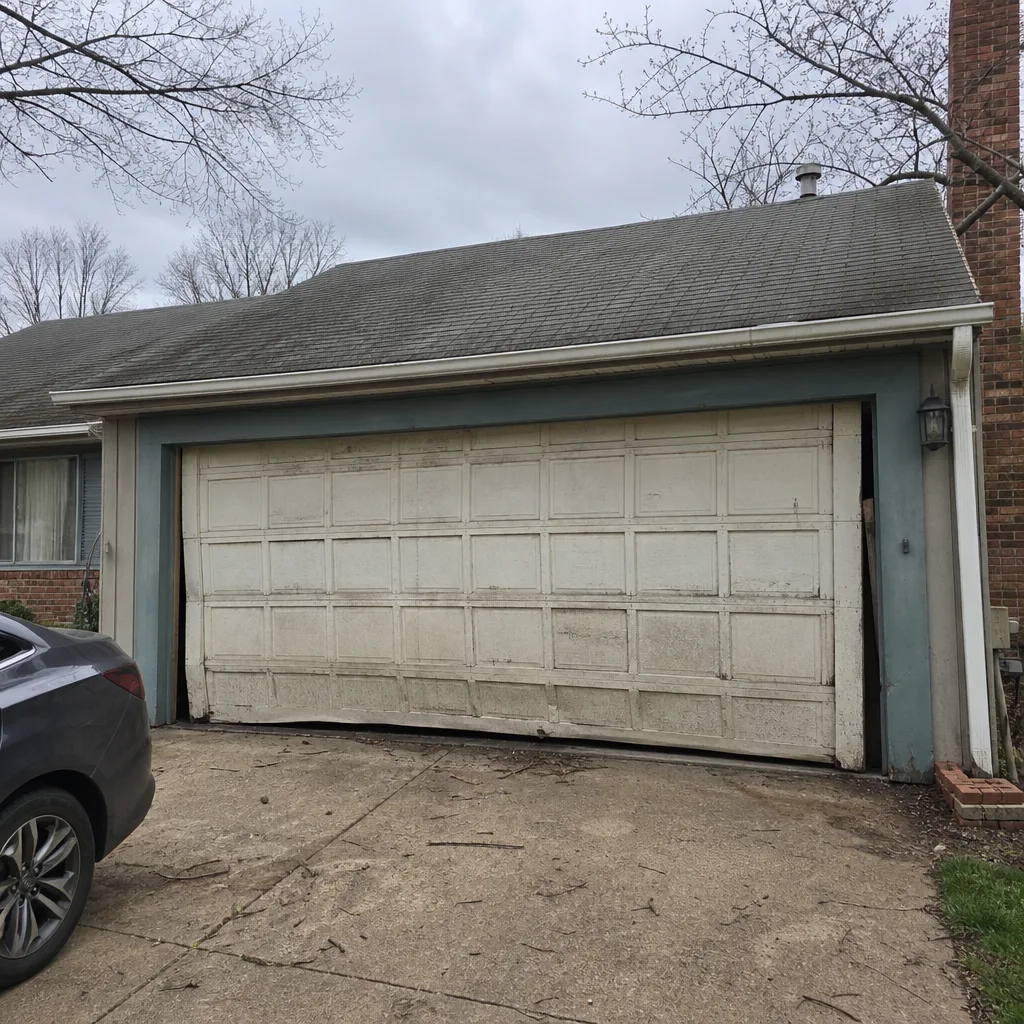 Before
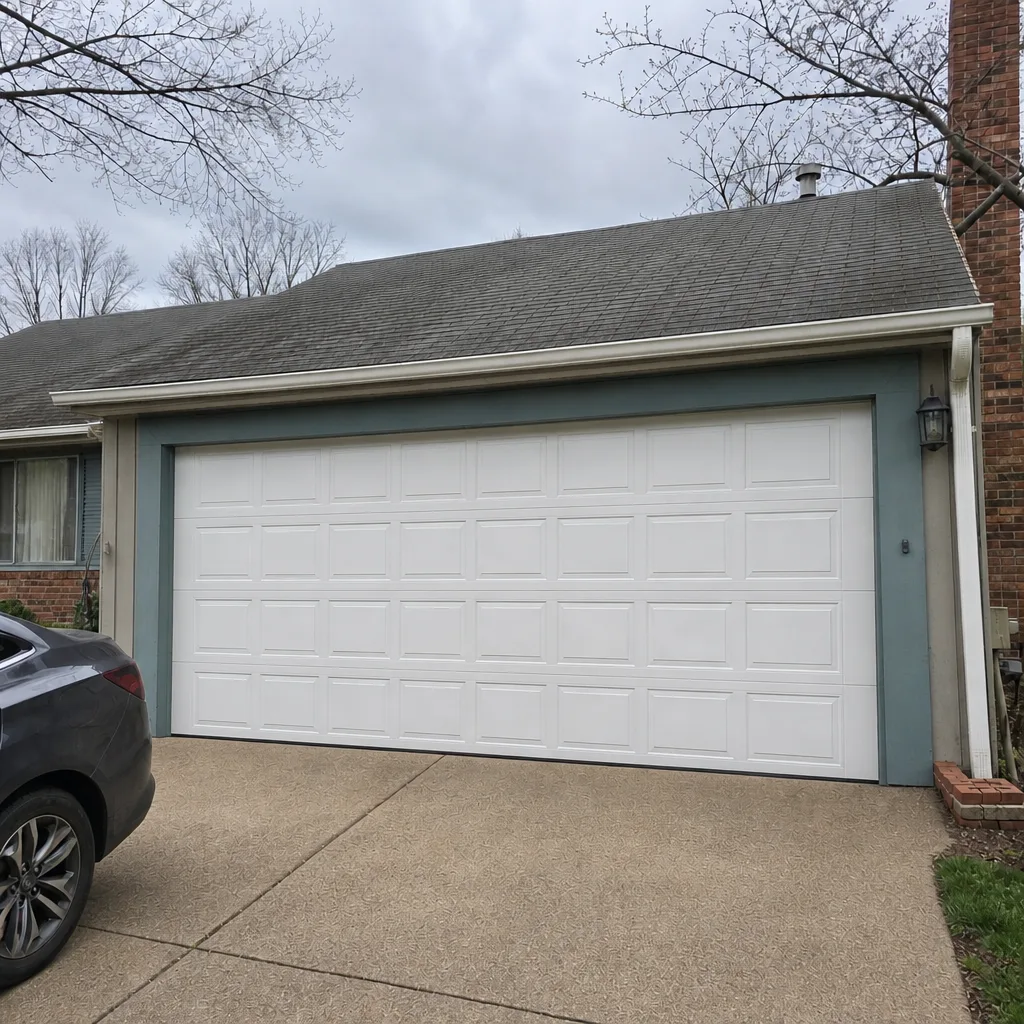 After
 Before
 After
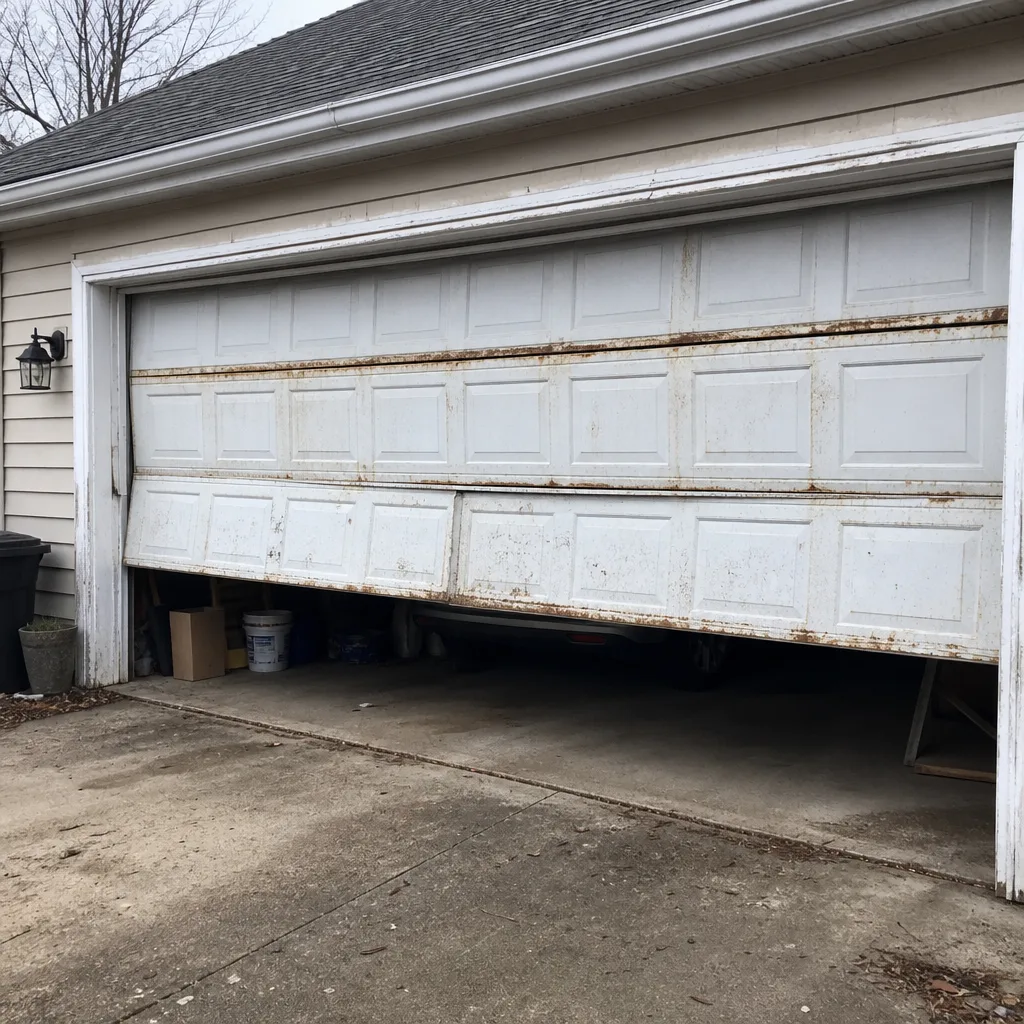 Before
 After
When to Call a Professional
Some garage door work is straightforward to evaluate and some of it should be handled by someone who does it every day. Call a professional when the door has come off its tracks, when a cable has snapped, when the opener runs but the door doesn’t move, or when a spring has broken – a broken torsion spring is not a job for a homeowner, because the stored energy in a wound spring can cause serious injury. Call when an Alexandria home is being sold and an inspector has flagged the garage or its electrical. Call when a new opener requires electrical work you’re not sure how to permit. And call when you’re planning a replacement and want the opening measured and the header inspected before you spend money on a door.
Alexandria Garage Door Repair Pros offers free estimates in Alexandria – call (877) 379-9603. We handle garage doors, openers, springs and emergency service, and we’ll tell you plainly which parts of a project are ours and which need a permit, an electrician or a design review. Every estimate is free, and no work starts until you’ve agreed to the price in writing.
Frequently Asked Questions
Usually not, if it’s a like-for-like replacement on an attached garage with no structural or electrical changes. You likely do need one when the work involves the header above the opening, new electrical or a new circuit, a detached garage, or a property inside a historic overlay district where ARB review applies. Call the City of Alexandria building department with your scope and get a direct answer before you order. For a project that mixes door work and structure, call (877) 379-9603 for a free estimate on the door side.
It can, yes. In Old Town and the Parker-Gray historic district, exterior changes visible from a public right of way may require review by the Architectural Review Board, and that’s separate from any building permit. The review focuses on appearance – material, panel style, color and window treatment – so a traditional carriage-style door in a suitable color usually goes through more smoothly than a modern flat panel. Ask the city whether your address falls inside an overlay before you order.
No – the written estimate is the price, and no work starts until you’ve agreed to it. What can change the scope is something we couldn’t see until we were on site, like a damaged header or a broken spring discovered during the visit. When that happens, we stop, explain it and quote the additional work before doing anything. Call (877) 379-9603 for an exact quote – estimates are free.
The local professional who performs the work is licensed and insured as Virginia requires. We connect Alexandria homeowners with independent local garage door specialists, and every one of them works on garage doors as their trade rather than as one service among many. Our technicians have up to 12 years of experience, and we work on the major brands already in your garage. Call (877) 379-9603 to book.
Yes, when your door won’t open or close, we come now – emergency service is a core part of what we do, not an upsell. A door stuck open leaves the house exposed and a door stuck closed traps the car, so we prioritize those calls. Same-day service is available and we dispatch from 7am to 7pm. Call (877) 379-9603 and describe what the door is doing.
The opener swap itself usually doesn’t, but any new electrical work feeding it likely does – a new outlet, a new circuit, or a modification to existing wiring in a detached garage. Unpermitted electrical in a detached garage is one of the most common items flagged during home sale inspections, so it’s worth getting right the first time. If the wiring is already in place, an opener replacement is a garage door job; call (877) 379-9603 and we’ll confirm at the estimate.
The Bottom Line
Garage door work in Alexandria is usually permit-free, but the exceptions are specific and they matter: structural changes to the header, new electrical in a detached garage, and any property inside the Old Town or Parker-Gray historic overlays. Historic districts add an ARB review that standard permit guidance omits entirely, and running HOA approval in parallel with the city’s review saves real weeks. A grandfather clause protects what’s already there – it doesn’t cover what you install. And a passed inspection says nothing about your springs, so keep the two conversations separate. Measure the opening, inspect the header, ask the city, submit the HOA form, then order the door. That order prevents almost every problem this guide describes.
If you’re planning a replacement, a repair or an opener project on an Alexandria home, call (877) 379-9603 for a free estimate. We’ll walk the opening with you, tell you what needs a permit and what doesn’t, and put the price in writing before any work starts. Whether it’s a Clopay door on a Parker-Gray townhouse or a Wayne Dalton opener in a detached garage, we’ll give you the right fix for your specific door – not a one-size-fits-all patch.
Written by the team at Alexandria Garage Door Repair Pros.